Reviewed by Sahil Chopra, MD, and Stacey Gunn, MD.
Research by Savit Malhotra and Quynh Theresa Do.
Introduction
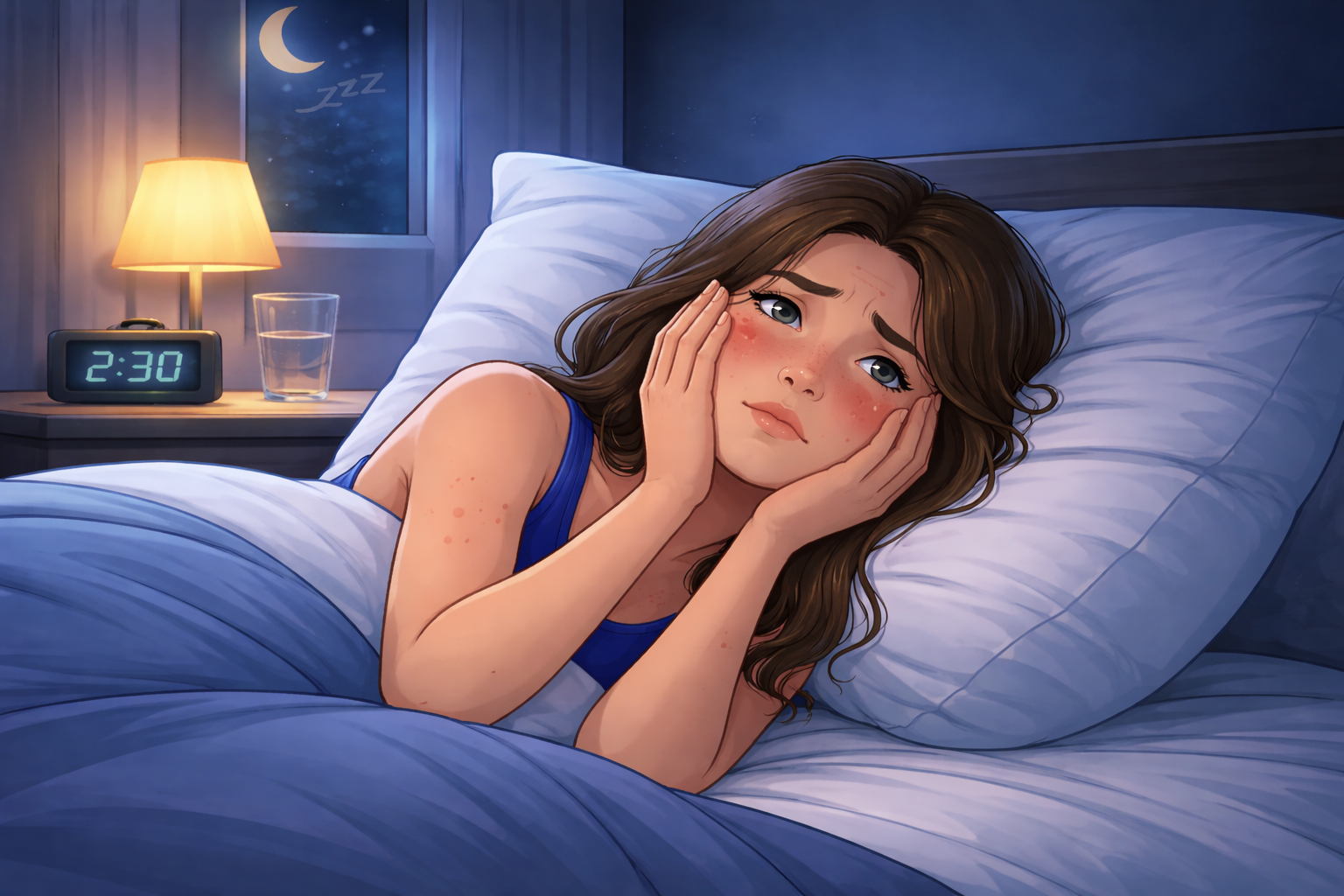
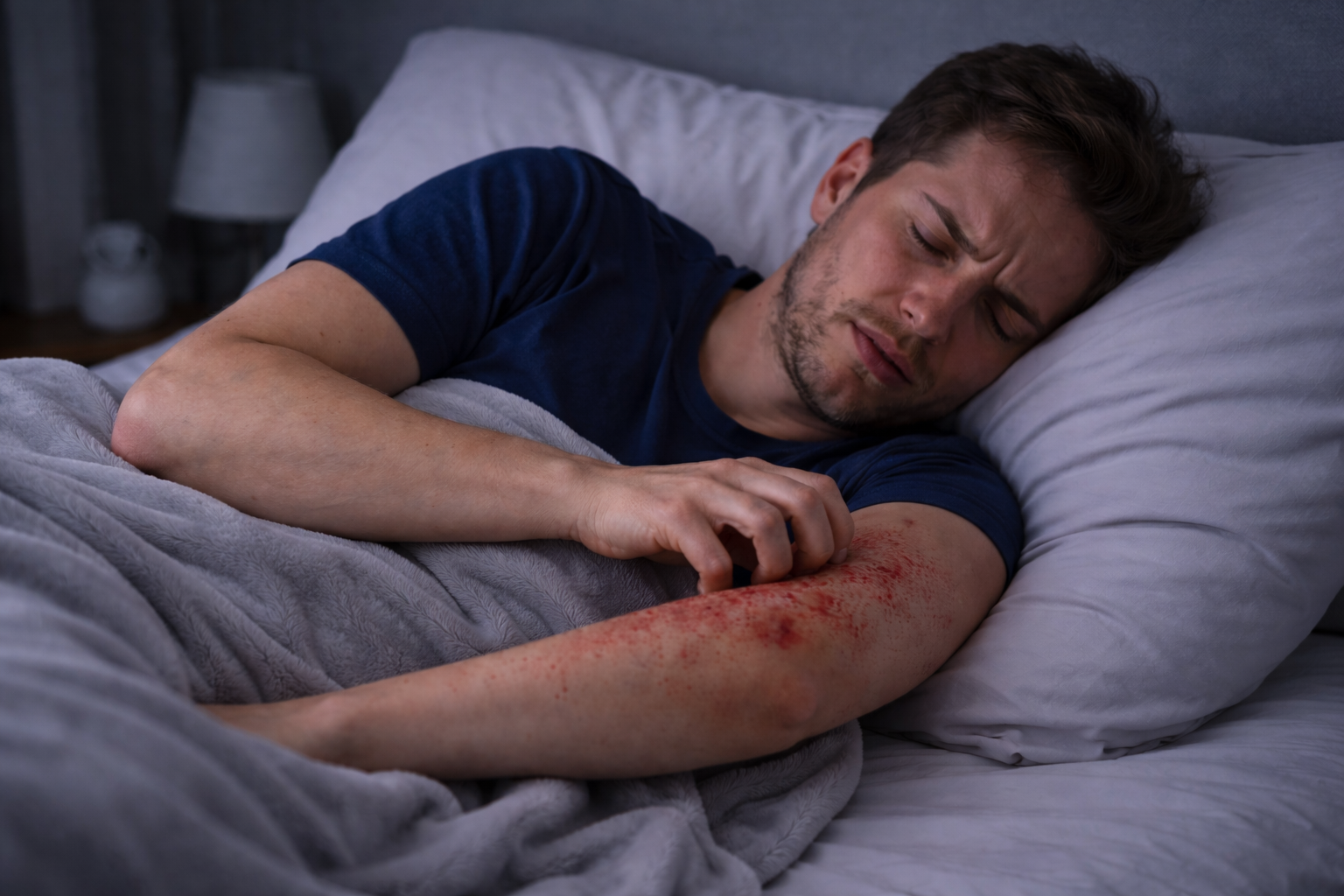
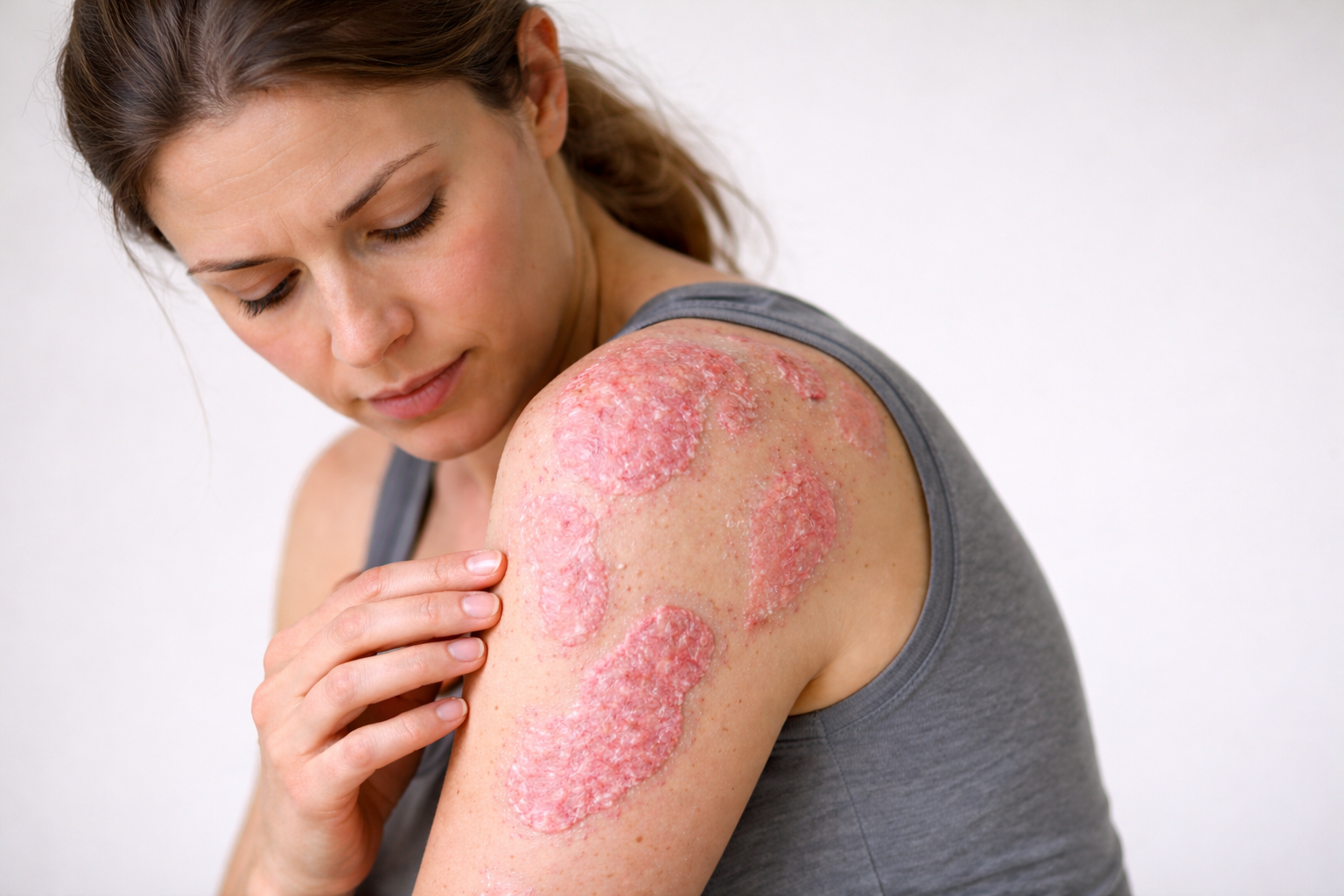
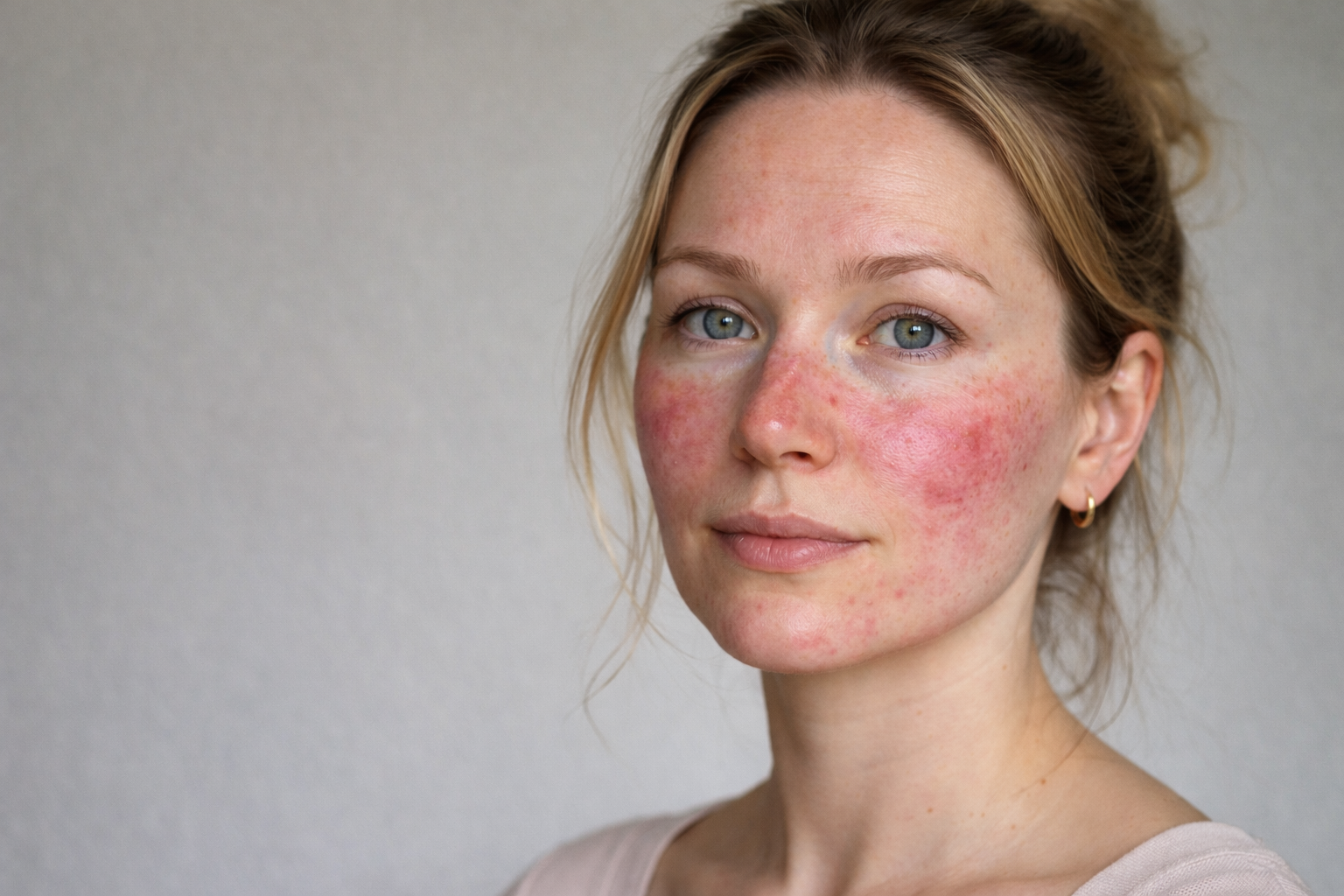
We’ve spent a lot of time discussing how sleep affects everything from cardiovascular health to contributing to dementia, but what about more visual impacts? In our new series of articles, we’re going to be spending some time looking at the many ways in which poor sleep can impact your skin (spoiler alert: it’s a lot more than just causing eye bags!) and the ways in which you can prevent damage to your skin. This first article will cover the overarching relationship and establish how sleep and the skin are related. In future articles, we’ll begin to dive into each of the individual skin conditions that can result from a lack of high-quality sleep. Hopefully, by the end of this series, we’ll bring a new definition to the term “beauty sleep.”
Sleep and Your Skin
Before diving into each of the independent skin disorders caused by poor sleep, it’s important to understand what the relationship is. The skin is composed of several types of cells, including keratinocytes, fibroblasts, melanocytes, and stem cells. Interestingly, these skin cells have their own circadian rhythm. The role of circadian rhythms in the skin cells primarily serves to regulate daily cycles, such as cell proliferation (the process by which a cell divides), DNA repair, and tissue regeneration, all of which are crucial for maintaining a healthy skin appearance.[1] Sleep is crucial for regulating the circadian rhythm that keeps the rest of these processes in balance. In addition to these processes, the skin’s circadian rhythm also regulates transepidermal water loss (which is when water passively evaporates from the skin).[1] Lack of sleep has been shown to decrease skin hydration through increased transepidermal water loss as well as overall lower skin moisture content.[2] Circadian rhythm also regulates several hormonal cycles (such as the growth hormone cycle), which play a role in skin repair, inflammation, and aging.[3] We will talk more about the negative effects of sleep deprivation on the skin in the section below.
Aside from skin moisture content, poor sleep has also been associated with reduced collagen production. Collagen is a key protein that helps maintain skin elasticity, firmness, and structural integrity, all of which help the skin look healthy and youthful. However, during periods of sleep deprivation, collagen synthesis can become impaired.[4] Furthermore, lack of sleep interrupts cellular repair and turnover, which helps replace damaged skin cells.[5] Without these processes, a person’s skin can become paler, wrinkles and fine lines may appear more prominent, drooping eyelids may become apparent, and the classic dark circles below the eyes may become more visible. Over time, a person may become dissatisfied with the way their skin looks and may turn to alternative supplements to try to restore their original healthy skin.
Lastly, poor sleep has also been shown to decrease the function of the skin barrier. This barrier, also known as the stratum corneum, functions to protect the body from both external and internal harm. Infectious agents (such as viruses), chemicals, allergens, and toxic hazards are all kept out of the body by the skin barrier.[6] However, lack of sleep has been shown to cause breakdown of the barrier, which leaves the other layers of the skin exposed to the many environmental detriments.[7] Internally, the skin barrier prevents unnecessary water loss, which helps the body maintain homeostasis.[6] Sleep deprivation has also been shown to cause fluctuations in stratum corneum hydration (the water content of the outermost skin layer), which can also lead to decreased skin hydration, skin firmness, and elasticity.[1,7] Thus, maintaining the skin barrier also helps maintain skin appearance.
Sleep Disturbances' Impact on Skin
As sleep is an essential part of the maintenance process for the skin and body, sleep deprivation and poor sleep quality can disrupt this process. In a 2015 study, researchers assessed whether poor sleep quality in women affected their skin aging. They used the SCINEXATM clinical tool to assess the scores of intrinsic and extrinsic skin aging, as well as photos and transepidermal water loss.[8] The study was done in 60 Caucasian healthy women who were classified as poor quality sleepers or good quality sleepers. Quality was based on the women’s score on the Pittsburgh Sleep Quality Index (PSQI) (scores of > 5 as poor quality, ≤ 5 as good quality) and sleep duration (total duration of ≤ 5 hours as poor quality, > 5 hours as good quality). Participants were exposed to ultraviolet light (UV) and tape stripping, both of which damage the skin slightly. Good quality sleepers had lower SCINEXATM scores, lower levels of transepidermal water loss, better recovery of skin after 24 hours of being exposed to UV, and better recovery of skin after 72 hours of tape stripping compared to poor quality sleepers. The study implies that poor sleep may lead to poorer recovery of skin after damage, drier skin, and greater rates of skin aging. These symptoms may be due to the interruption of processes such as collagen production and cell renewal due to a lack of sleep.[9,10]
Sleep’s impact is not just skin deep. It may also impact how we view ourselves and how others view us. In the same study mentioned previously, participants were also asked to complete a questionnaire evaluating self‐perception of attractiveness.[8] Good quality sleepers reported a higher score on self-perception of their appearance and physical attractiveness compared with poor quality sleepers. Another study found similar findings. A study in 2017 evaluated how strangers perceive participants after sleep restriction.[11] The study had 25 participants aged 18–47 years undergo 2 days of sleep restriction, and then a normal sleep period. Photos of the participants were rated by 122 raters on how likely they were to socialize with the participants, alongside the participants’ attractiveness, health, sleepiness, and trustworthiness. The researchers found that raters viewed participants who were sleep deprived as less social, which also makes them less likely to socialize with those participants. Additionally, participants during their sleep restriction phases were seen as “less attractive, less healthy, and more sleepy”. These studies demonstrate a clear link between poor sleep quality and negative dermatologic outcomes, ranging from impaired skin recovery and increased signs of aging to reduced self-perception of attractiveness and decreased social appeal as judged by others.
Conclusion
The term “beauty sleep” is not only a saying. We view sleep as the cornerstone of one’s health, especially for skin health. Beyond its effects on how you feel, it can also shift how you appear. Sleep is the time for repair and regeneration, including collagen production, recovery mechanisms, and cell turnover. Thus, to maintain your skin, we recommend aiming to get good sleep, whether it’d be through changes in lifestyle (check out our recent blog on establishing healthy sleep habits) or even seeing a professional (schedule a meeting with one of our providers: https://www.empowersleep.com/welcome). Prioritizing consistent, high-quality sleep is an effective way to achieve a healthy appearance. Be sure to get your beauty sleep and glow!


.png)
.png)