Reviewed by Sahil Chopra, MD, and Stacey Gunn, MD.
Research by Savit Malhotra and Quynh Theresa Do.
Introduction
March is usually the month associated with luck, but for us at Empower Sleep, there’s another meaning. March is also the month of the National Sleep Foundation’s Sleep Awareness Week.[1] During this week, the National Sleep Foundation encourages sleepers all around the nation to participate in sleep advocacy and sleep education. The week serves as a reminder to reconnect with ourselves and evaluate our sleep habits. In light of Sleep Awareness Week, we will be taking a quick break from our RLS series and focusing our blog on the importance of sleep for all ages. We will start discussing how sleep plays a large role in our health, starting in children. We will also touch upon how sleep remains incredibly important during our young and middle adulthood, where many are in their professional years. Finally, we will wrap up the article on the sleep gap in older adulthood and what can be done to promote healthy sleep habits for life.
Sleep in the Youngest Young
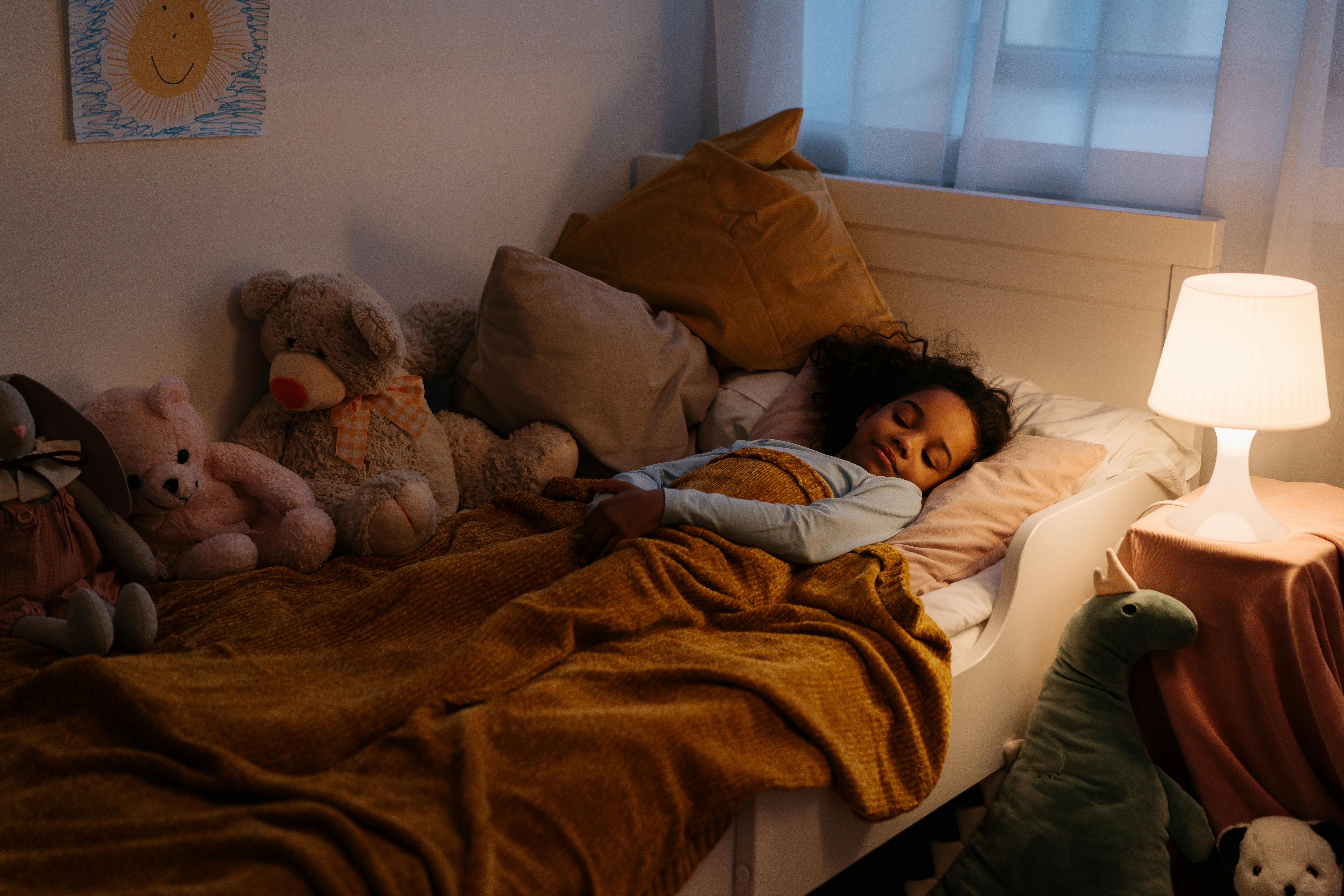
This year’s Sleep Awareness Week theme reflects on being your “best slept self”.[1] Sleep remains a basic necessity for all people. Children especially need a higher amount of sleep than adults. As a consensus within sleep medicine and pediatrics, the guidelines for children depend on age.[2,3] Before going to school, sleep is important in the process of overall child development. Infants, defined by ages 4 to 12 months, are recommended 12 to 16 hours of sleep, including naps. Toddlers, who are 12 to 24 months, are recommended 11 to 14 hours of sleep, including naps. Babies and toddlers need this amount of sleep for their rapid development of their brains, nervous systems, physical growth, and memory.[4] As a child enters school, sleep remains important to continue helping the child develop physically, mentally, and socially, as well as to promote learning.[5] Preschoolers ranging from 3 to 5 years need 10 to 13 hours, which may or may not include naps. School-aged kids, defined as children 6 to 12 years old, need 9 to 12 hours. Lastly, teenagers aged 13 to 18 years are recommended to have 8 to 10 hours.[2]
As seen previously, within all these age ranges, the recommended hours for children are mostly higher than the recommended hours for adults, which is on average between 7 to 9 hours.[7] Parents may not recognize these different needs in their children, leading to a gap in the amount the child gets versus what the child needs. In fact, in a recent poll led by the National Sleep Foundation (with 977 respondents) on the sleep health of children aged 0 to 13, parents’ and caretakers’ estimations of the amount of sleep that their children need were below the actual recommended amount. Their misestimation was “often by more than an hour per day”.[8] Consequently, the National Sleep Foundation also found that 44% of the parents and caretakers reported their children did not get the recommended amount of sleep.[8] This gap was found to be larger for younger children, especially. Poor sleep has been associated with behavioral problems and negative health outcomes like obesity in children.[6] Many parents and caretakers from the National Sleep Foundation poll also saw poor “mood and daytime function” in their children after a night of poor sleep.[6] It can also lead to more injury risks during sports (learn more in our article on teenage athletes). Sleep deprivation in children also affects their parents and community. Beyond having to manage behavioral issues that arise from a poor night’s sleep, from the same poll by the National Sleep Foundation, that 80% of parents and caretakers reported that their sleep was negatively impacted by their child’s sleep.[8] Sleep deprivation in children and their parents can create a cycle where mood and function worsen.
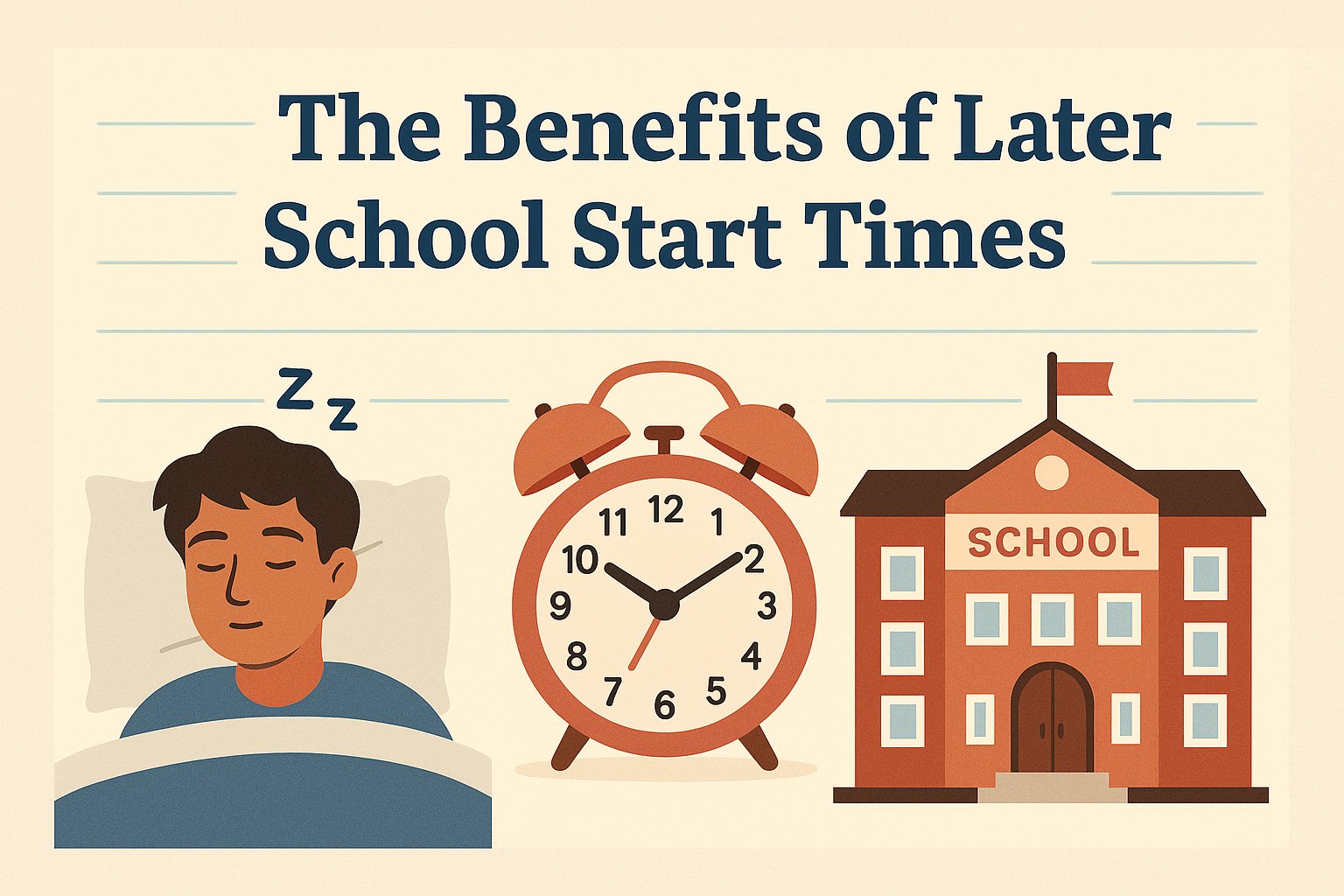
Beyond parental influence on a child’s sleep time, other factors may also play a role in poor sleep. School start times can also exacerbate this gap, a topic that our blog has discussed in the past. With our increasingly technological world, it can also be difficult to meet our sleep needs and maintain healthy sleep habits. Some specific techniques used by the parents and caretakers in the National Sleep Foundation poll include keeping the room dark (or dimly lit through night lights), reading a bedtime story, and using sound machines to create an ambient environment.[8] Other tips include establishing a consistent routine for the child that accounts for natural light, physical activity, meal times, and regulation of digital screen time.[9,10] Parental presence and co-sleeping at bedtime can be a commonly used technique, as listed by a number of families in the National Sleep Foundation poll, to provide comfort in early childhood.[8] Sleep health tips for children are similar to those for adults, emphasizing the importance of routine and creating a restful sleep environment.
Sleep and Professional Life
Most people strive for careers that allow them to provide for themselves and their families. But in today’s culture of constant productivity, success is often associated with working longer hours, keeping up with tasks both during working hours and after, and sacrificing rest to stay ahead. This “hustle culture” can create unrealistic expectations of work and availability, pushing many people to compromise their sleep in pursuit of professional success. For some workers, particularly those in industries that require overnight coverage or irregular hours, these pressures are compounded by shift work, which can further disrupt the body’s natural sleep-wake cycle.
In today’s world, it’s not uncommon to see people shifting back and forth between day shifts and night shifts, especially in the medical field. The problem is that, when going back and forth between shift types, the body’s natural circadian rhythm becomes disrupted. This is especially true with regard to melatonin production. Typically, melatonin is produced in darkness, and sunlight exposure suppresses this. Light exposure prevents normal melatonin secretion needed for sleep, which is why daytime sleep during shift work can be problematic. Studies have found that shift work is associated with risks such as cardiovascular disease, psychological distress and mental health issues, increased cancer risk, and reproductive health issues.[x] Shiftwork can also impact a person’s social and familial life, with some shift work jobs requiring people to work socially important hours (evenings, weekends, and holidays). This can lead to work-family conflict, lower marital satisfaction, and strained relationships.[11] Unfortunately, not everyone may understand the impact that shift work can have on sleep and overall well-being. For more information on dealing with working night shifts, we encourage you to read our articles on understanding your circadian rhythm and some common solutions for sleep disruption related to shift work.
Aside from shift work, poor sleep can also negatively affect performance in the workplace. A study of 1,372 adults found that 58% reported negative impacts of not getting enough sleep, while 66% reported negative impacts of not getting enough quality sleep.[12] 54% reported difficulty working their required number of hours, 71% struggled to get going at the beginning of the day, 67% struggled to think clearly, and 57% reported difficulty doing work carefully.[12] Poor sleep takes its toll on overall work life, with studies finding that those who sleep poorly report higher rates of burnout and fatigue, reduced work readiness and productivity, increased risk of errors and work-related injuries, and overall well-being being impacted.[13]
Based on these studies and overall opinions, it seems as though one of the biggest issues when it comes to sleep and work is not getting enough sleep each night. Shift workers tend to struggle to sleep due to disrupted circadian rhythms, and, in general, day-to-day activities lead to decreased sleep opportunity.
This brings into question whether remote work could help solve some of these issues. During the COVID-19 pandemic, many jobs became remote, and some companies chose to keep employees remote well after the pandemic. On one side, those who continued to work remotely were significantly less likely to experience short sleep duration of less than 6 hours. High-frequency remote workers had a 46% lower risk of short sleep duration (as well as a lower risk of insomnia), while fully remote workers had a 59% lower risk.[14] Part of the reason for this is that remote workers don’t need to commute and can spend more time in bed each morning, providing increased sleep opportunity each day. However, remote work comes with a few downsides. Oftentimes, remote workers have a blurred line between work and home, and balancing when to finish their work. As a result, they often work later into the night to finish tasks, which can lead to higher rates of sleep disturbances (blue light emitted from screens has been shown to disrupt circadian rhythm and sleep, essentially tricking the brain into thinking it is daytime).[14,15] And so, remote work has complex effects on sleep. While flexible schedules and reduced commuting may allow employees to sleep longer, these blurred boundaries between work and personal life can also increase stress and disrupt healthy sleep routines.
Sleep in Older Age
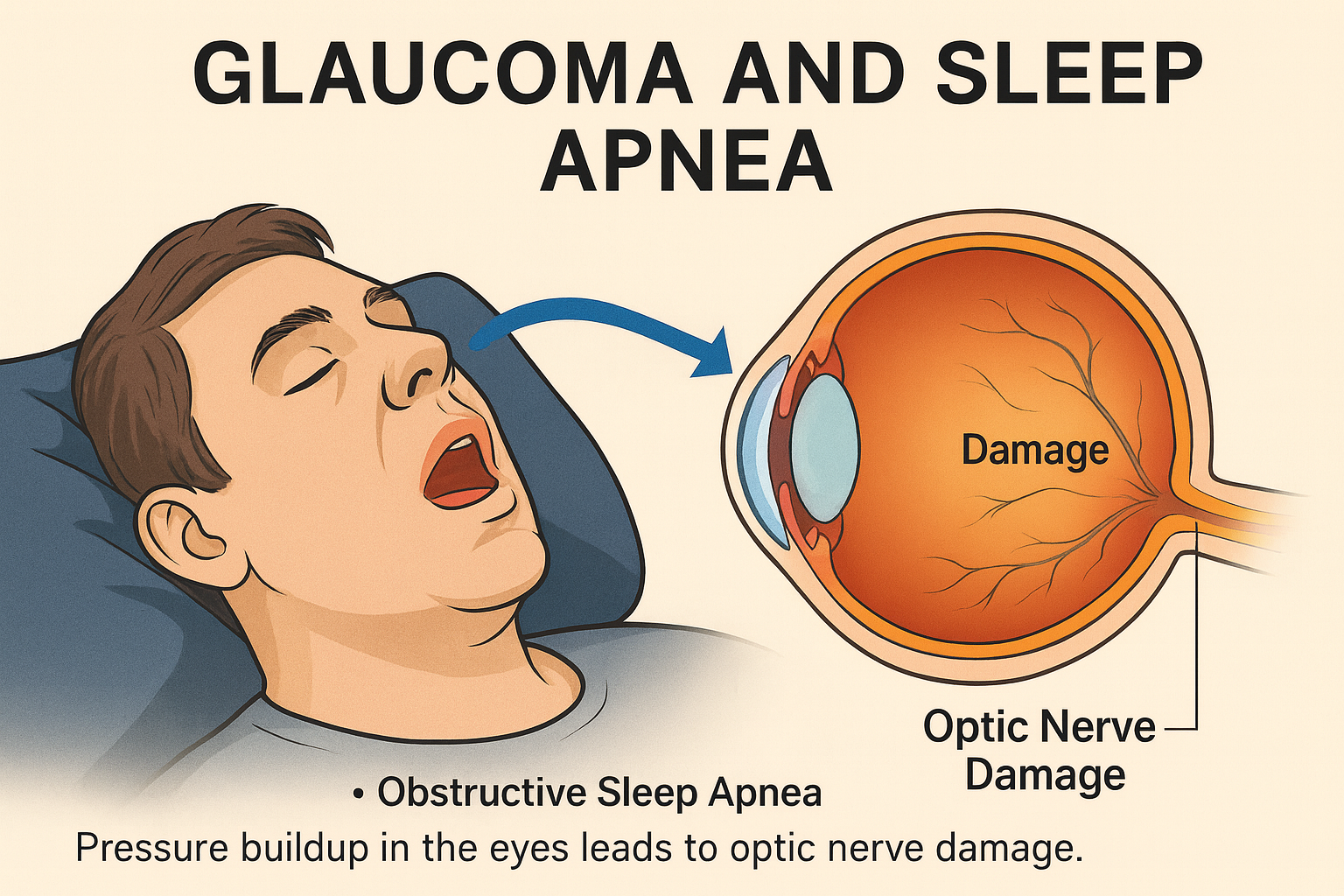
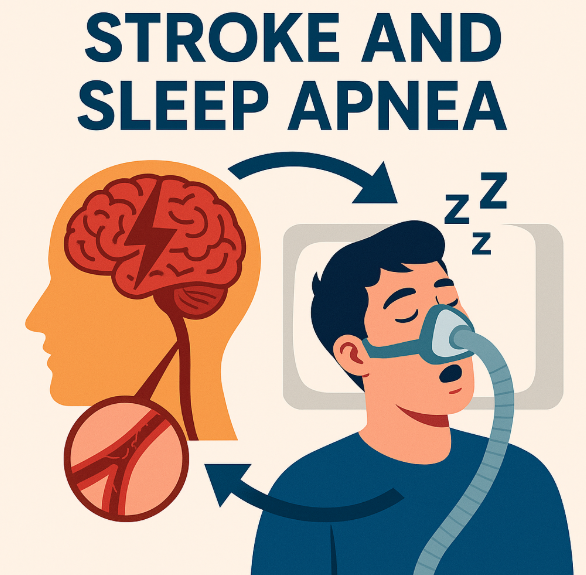
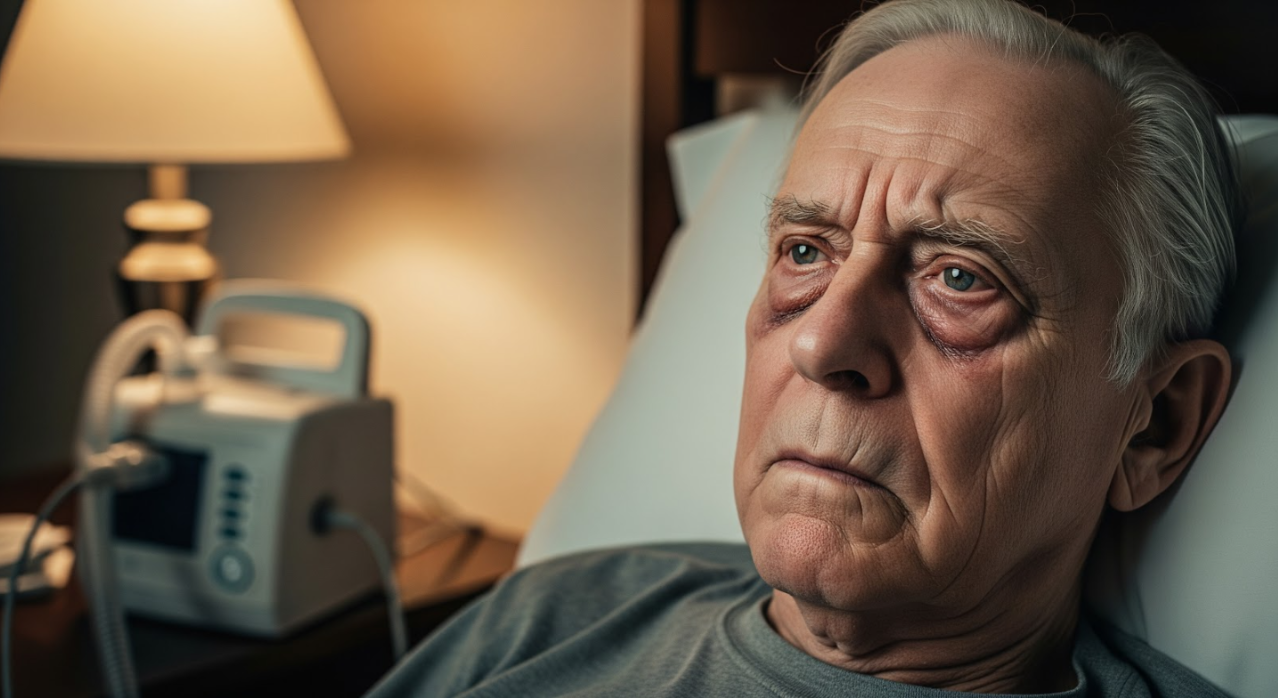
The impact of sleep doesn’t end when you get older. If anything, sleep remains even more important for keeping us healthy and sharp. Older adults still benefit from the same 7-9 hours of sleep that is recommended for younger adults, and yet, many older adults report not being able to sleep well.[16] As we get older, our risk for sleep disorders increases due to various factors such as ongoing medical conditions, medication side effects, and bodily changes.[16] Obstructive sleep apnea (OSA), for instance, is common in older adults and a topic that our blog has heavily focused on due to its prevalence and burden.[17] OSA can impact cognition (such as increasing risk of developing dementia), metabolic conditions (such as diabetes), cardiovascular conditions (such as heart disease, heart failure, and Afib), and many other conditions (such as stroke, low sex hormones, glaucoma, and bruxism). Generally, lack of sleep quality and quantity has been found to be associated with numerous adverse health outcomes in older age. These topics include appearance (like the development of wrinkles), cognition, psychiatric disorders (such as depression and anxiety), and fall risk to name a few.[18,19,20,21] In conclusion, while the focus on good sleep hygiene often centers on younger populations, the reality is that quality and quantity of sleep remain critically important as we age. Recognizing and addressing these sleep challenges in older adults is therefore essential for promoting healthy aging, maintaining overall well-being, and reducing the risk of numerous age-related health complications.
Conclusion
In today’s “hustle culture,” it sometimes seems as though sleep is becoming a lost art. Children aren’t getting the full sleep that they need, working professionals are suffering from disrupted sleep, and even the elderly have to deal with issues related to aging and sleep. With all that is happening, it is important to remember that your sleep health is just as important as any other aspect of your health. Oftentimes, sleep is the first thing to be cut in order to attempt to gain more hours to prioritize productivity. But the reality is, cutting sleep does the opposite. When we don’t allow our body to rest and recover from the day, the next day is lost. We feel groggy, fatigued, and ultimately, burned out. This year, we hope that you’ll remember to prioritize your sleep health over the busy life that “hustle culture” wants you to live. From the team at Empower Sleep, we wish everyone a restful Sleep Awareness Week!


.png)
.png)