Reviewed by Sahil Chopra, MD.
Research by Savit Malhotra and Quynh Theresa Do.
Introduction
As part of our ongoing series exploring the relationship between heart rate variability (HRV) and sleep, this article takes a closer look at HRV biofeedback and its growing role in sleep medicine. Sleep is closely connected to the autonomic nervous system, influencing various health outcomes. In recent years, interest has expanded beyond traditional sleep therapies toward non-pharmacological approaches that can support and balance one's sleep health. Among these approaches, HRV biofeedback has emerged as a promising tool.[1] Biofeedback (also known as biofeedback training) is a type of therapy that uses mind-body techniques to become more aware of and potentially gain greater control over involuntary bodily functions.[2] In this article, we explore the history of HRV biofeedback, its underlying physiologic mechanisms in sleep, and the evidence supporting its clinical use in sleep and recovery. As sleep medicine continues to evolve toward more personalized and preventive approaches, HRV biofeedback may represent an important bridge between behavioral therapy, autonomic nervous system science, and long-term health.
History and Mechanism
The observation that the heart does not beat like a metronome dates back centuries. Respiratory sinus arrhythmia was first recorded by Carl Ludwig in 1847.[3] However, it was not until the 1960s and 1970s that scientists began applying digital signal processing and computational tools to analyze these beat-to-beat variations, recognizing that they reflected the body's ability to adapt to internal and external stressors (also discussed in a previous article).[3] From this development, biofeedback techniques gained popularity as the field grew increasingly interested in whether individuals could consciously influence their physiological processes..[3] Initially, people thought that HRV was entirely autonomic and outside of conscious control. However, when researchers discovered that reduced HRV was tied to fetal distress and increased mortality following a heart attack, more clinicians began paying attention to this marker.[4] This led to the advancement of digital electrocardiography and, more recently, wearable biosensors that have made monitoring HRV significantly easier. HRV is now understood to be a dynamic indicator of the balance between the sympathetic (the body's stress response, “fight-or-flight”) and parasympathetic (the relaxation response, “rest-and-digest”) branches of the autonomic nervous system. Higher variability generally reflects greater physiologic adaptability and resilience.[5,6] Not only has HRV become an important marker in cardiovascular health, but also used in sports physiology, mental health, and sleep research.

As our understanding of this autonomic regulation continued to build, HRV biofeedback grew and began to focus on training individuals to consciously influence autonomic function through paced breathing and real-time physiologic feedback.[7] The primary mechanism involves breathing at an individual's “resonance frequency,” typically around 0.1 Hz, which corresponds to approximately 4.5 to 6.5 breaths per minute depending on the individual.[8] This resonance frequency maximizes oscillations in heart rate through the baroreflex (the baroreflex is a homeostatic reflex that helps regulate blood pressure).[9] During inhalation, heart rate naturally increases, whereas exhalation slows it, which is known as respiratory sinus arrhythmia (RSA).[10] HRV biofeedback strengthens this synchronization between respiration and cardiovascular activity, enhancing vagal tone and improving autonomic flexibility.[11] Over time, this training has been associated with reductions in stress and anxiety, improvements in emotional regulation, and potential benefits for cardiovascular and sleep health.[7,8]
HRV Biofeedback for Sleep
HRV biofeedback has gained increasing attention as a non-pharmacological intervention for improving sleep quality and reducing physiologic hyperarousal. Sleep and the autonomic nervous system are closely interconnected. As a refresher, the autonomic nervous system controls our response to stressors and changes. It can shift the body into a state of "fight-or-flight" or a state of "rest-and-digest" mentioned earlier. Typically, healthy sleep is characterized by an increase in parasympathetic activity and reduced sympathetic activation, particularly during non-rapid eye movement (NREM) sleep stages.[12] However, individuals with insomnia, stress-related sleep disturbances, and obstructive sleep apnea often demonstrate reduced HRV and impaired autonomic balance.[13,14] These sleep disorders throw off autonomic flexibility and therefore can cause heightened autonomic arousal. HRV biofeedback aims to restore autonomic balance by training individuals to engage in slow, paced breathing at their resonance frequency, which enhances vagal tone and strengthens baroreflex sensitivity.[15] Through repeated practice, this process may reduce stress reactivity, promote relaxation before bedtime, and facilitate a smooth transition into restorative sleep states.
There is growing evidence that HRV biofeedback can help with symptoms of depression and insomnia in patients with Major Depressive Disorder.[16] In one study, researchers at Kaohsiung Medical University compared the effects of HRV biofeedback versus a control condition in 48 participants diagnosed with Major Depressive Disorder. They assessed changes using the Pittsburgh Sleep Quality Index (PSQI), Beck Depression Inventory-II, Beck Anxiety Inventory, and Pre-Sleep Arousal Scale over 6 weeks. They also reviewed the participants' breathing rates and electrocardiography data. The researchers found that the group who utilized HRV biofeedback had improved symptoms of depression, anxiety, sleep quality, and pre-sleep arousal compared to the control group. Additionally, their HRV indices also improved. These findings are consistent with broader meta-analytic evidence showing that HRV biofeedback produces a medium effect size for reducing depressive symptoms across multiple populations.[17]

Ideal Candidates and Clinical Guidelines
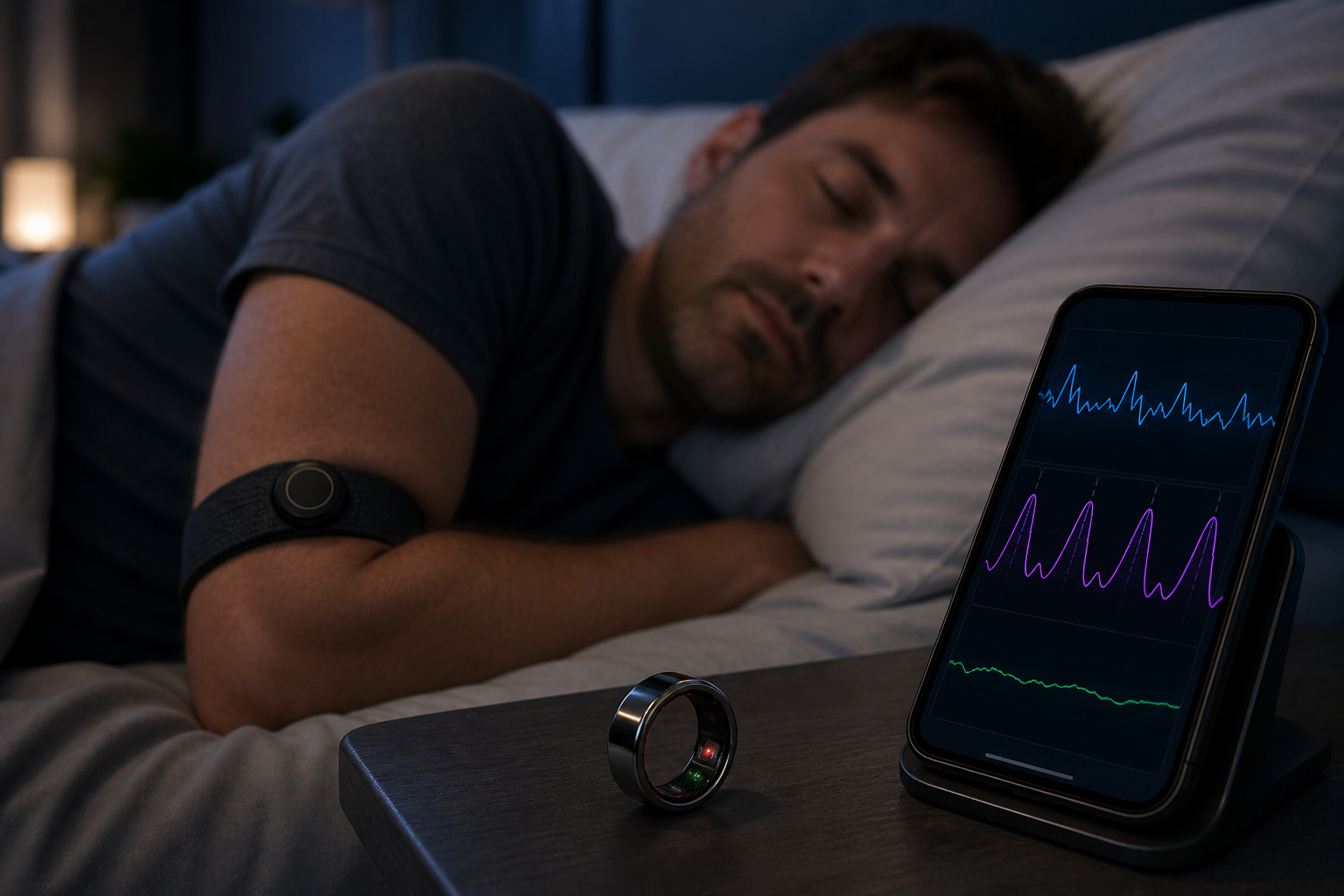
Based on the literature and case studies, HRV biofeedback may be particularly beneficial for individuals experiencing a variety of conditions that involve autonomic imbalance or heightened stress.[18] Clinical outcomes vary depending on the individual and the underlying sleep condition, but reported benefits may include improved sleep quality, reduced sleep onset latency, lower stress and anxiety levels, improved daytime functioning, and enhanced autonomic regulation.[16,18] There are several limitations that should be considered when using HRV biofeedback as a therapy. First, HRV measurements can vary considerably between individuals. Factors such as genetics, age, baseline cardiovascular health, sex, fitness level, caffeine and nicotine use, hydration, and even time of day can all influence what is considered a “normal” HRV value.[19] As a result, comparing HRV values may be less clinically meaningful than evaluating trends within the same individual over time. Secondly, the accuracy and reliability of wearable devices differ considerably.[18] Motion artifacts, signal loss, poor skin contact impact consumer sleep trackers and smartwatches more so than electrocardiogram-based systems in clinical research.[18] Additionally, different devices often use proprietary methods for HRV calculation, making direct comparison across platforms difficult.[19]
Because of these limitations, HRV biofeedback and HRV monitoring should be interpreted within the broader clinical context rather than as definitive biomarkers of sleep health. HRV may provide valuable insight into autonomic regulation and physiologic recovery, but it is most useful when integrated alongside clinical history, sleep symptoms, behavioral factors, and additional objective sleep measures such as respiratory monitoring, oxygenation data, or polysomnography.
Conclusion
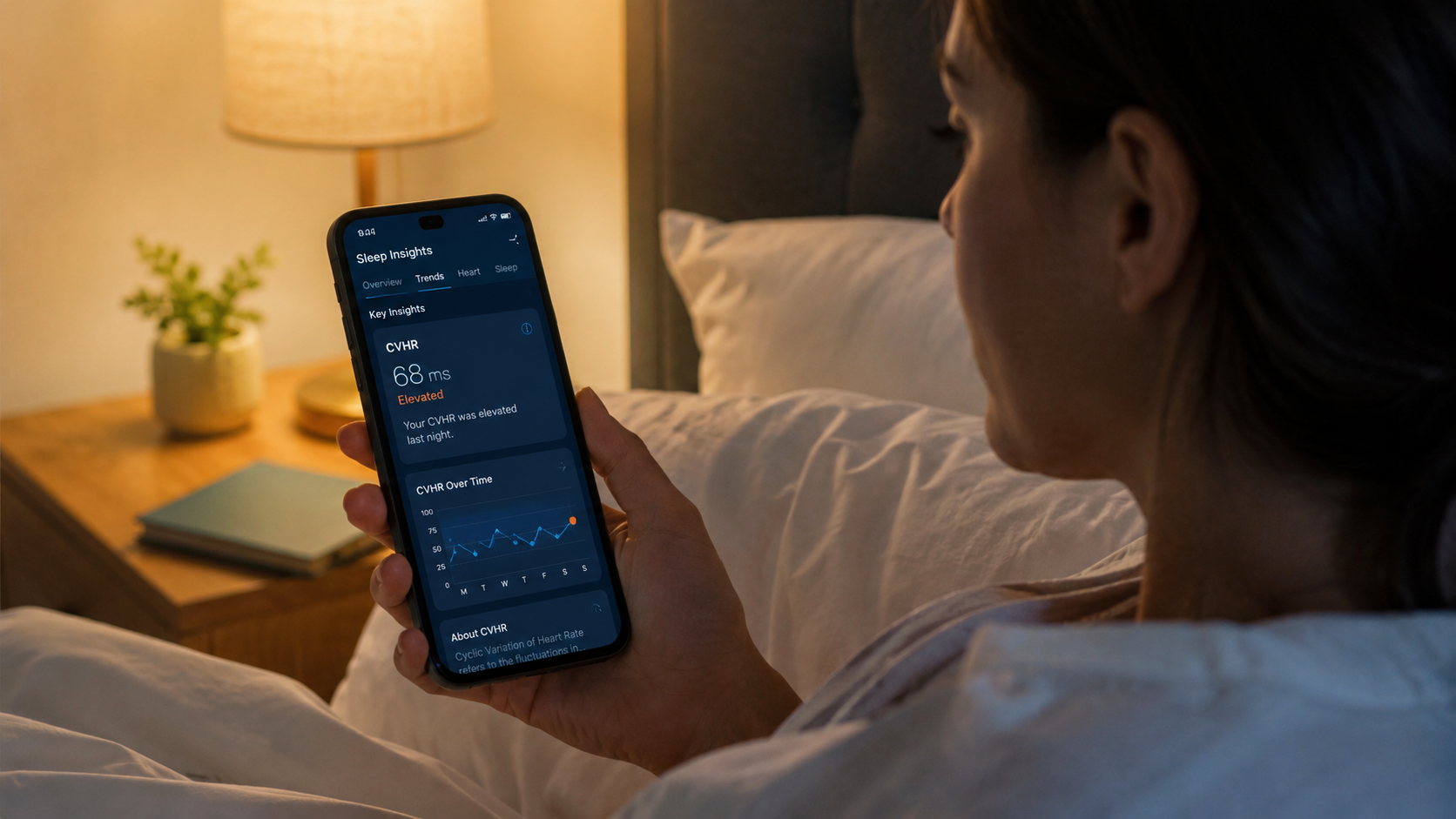
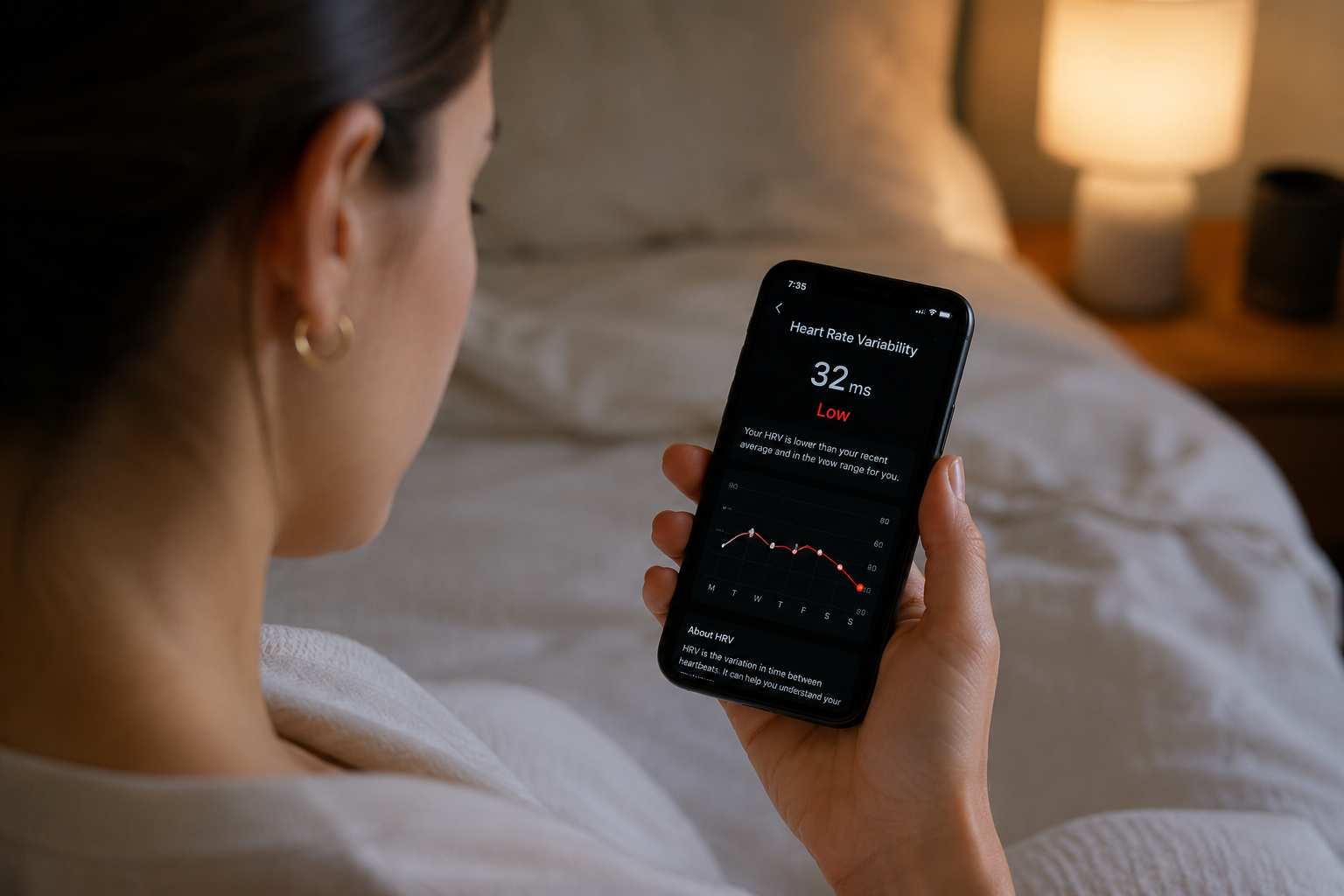
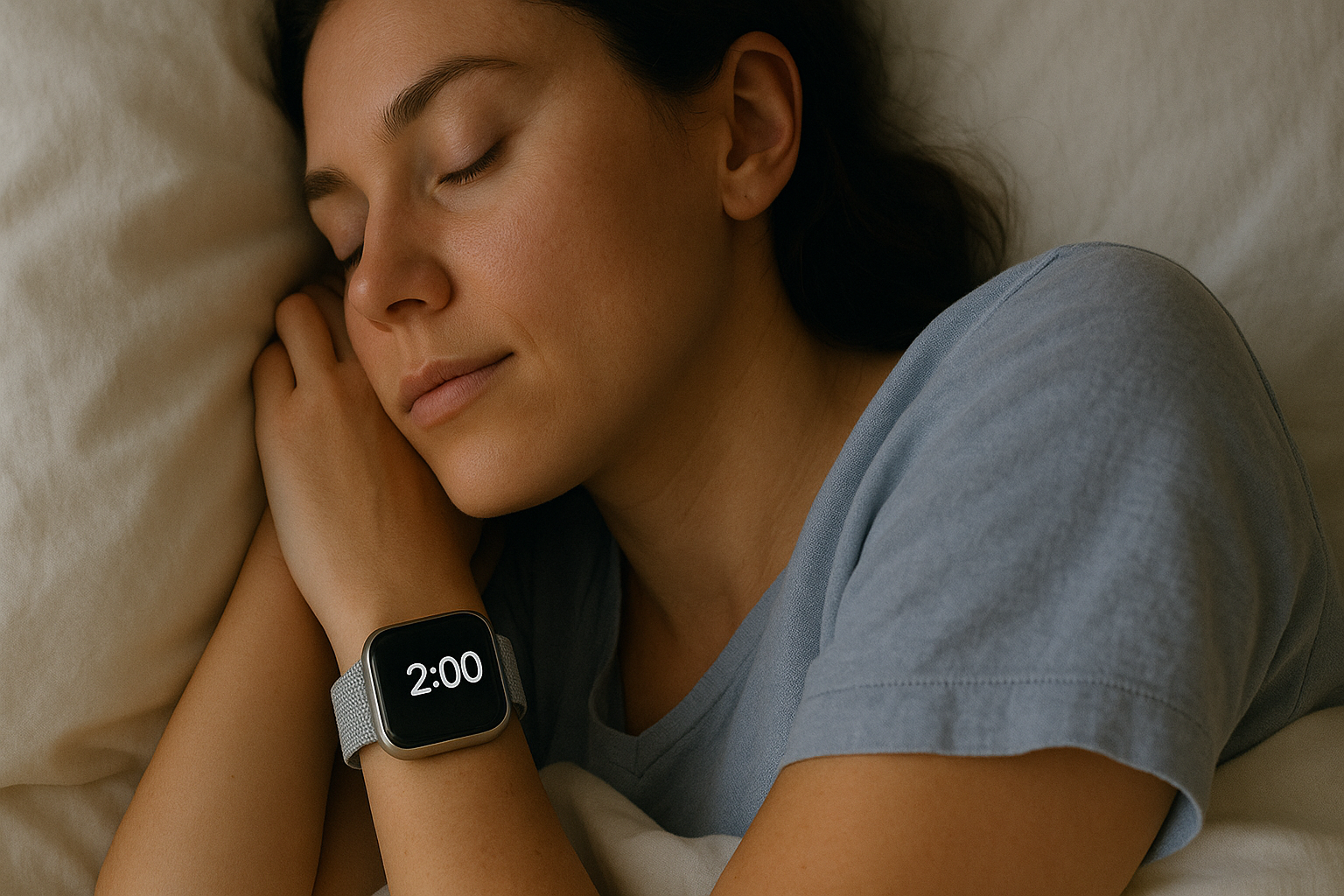
As we continue moving through the importance of HRV in sleep, we encourage you to begin thinking about your own HRV and measuring it if possible. Consumer-grade wearables (such as the Apple Watch, Oura Ring, and Fitbit) measure this metric and can log it over time. If you currently have a sleep-related disorder, we encourage you to begin monitoring your HRV as you begin treatment so that you can assess whether or not your HRV metrics are improving. HRV data, combined with other metrics, can give powerful insights into your sleep and overall health. And if you need help getting your sleep back on track, the team here at Empower Sleep is always ready to jump in!


.png)
.png)