Reviewed by Sahil Chopra, MD.
Research by Savit Malhotra and Theresa Do.
Introduction
This summer, millions of people around the world have experienced record-breaking heat, smoky skies, and increasingly unpredictable weather. In North America alone, June 2026 was the second warmest June ever recorded, according to the National Centers of Environmental Information.[1] Around the globe, prolonged heat waves are becoming more frequent, lasting longer, and affecting more people than ever before. At the same time, wildfire seasons are growing more severe, filling the air with smoke and fine particulate pollution that can travel hundreds or even thousands of miles. While these environmental changes are often discussed in terms of their effects on the planet, they also have a very personal consequence on sleep. In this blog, we will explore why our changing climate is increasingly becoming a sleep problem—starting on how heat, air quality, and extreme weather events disturb sleep. We will end with what you can do to protect your rest.
Why Heat Disrupts Sleep
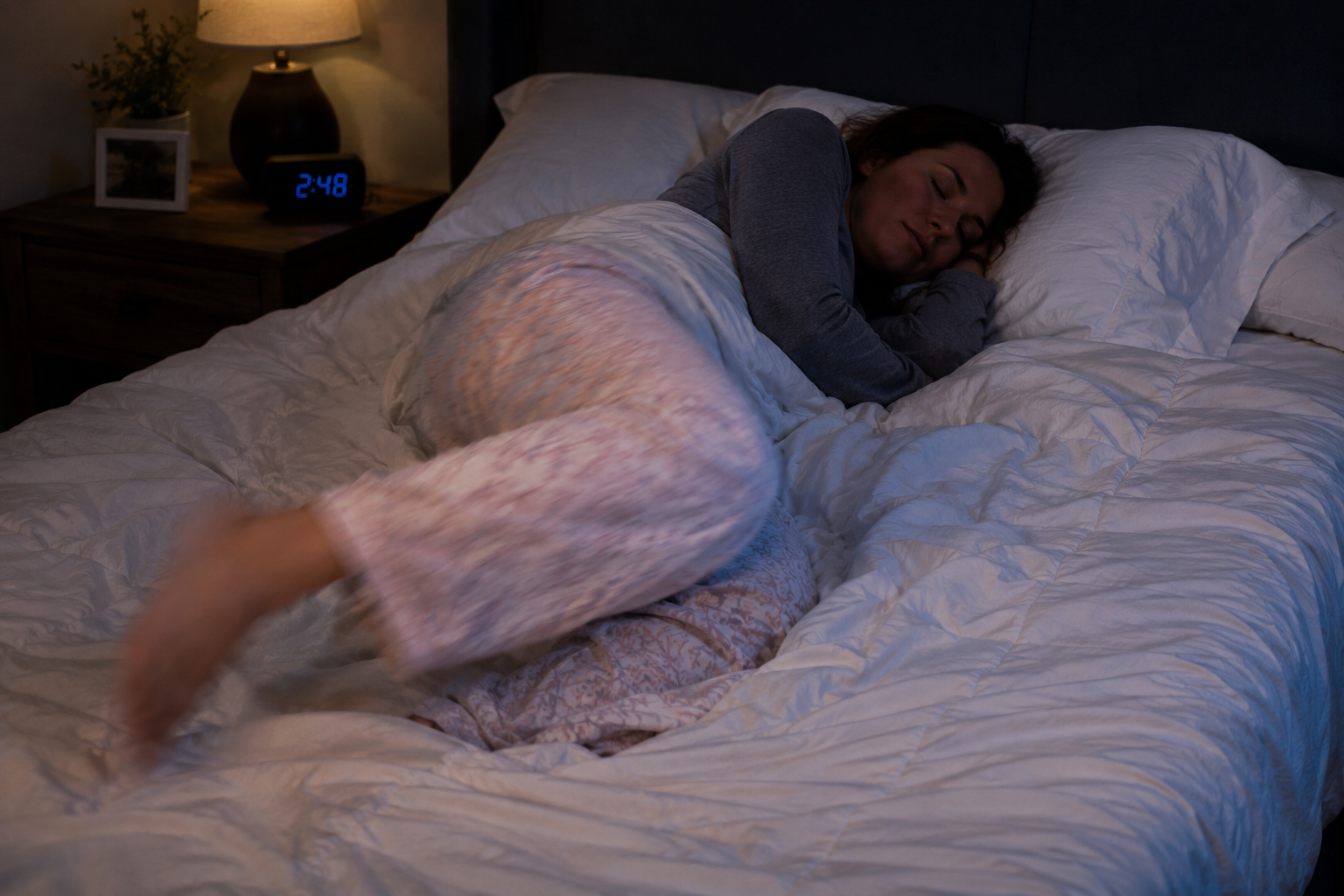
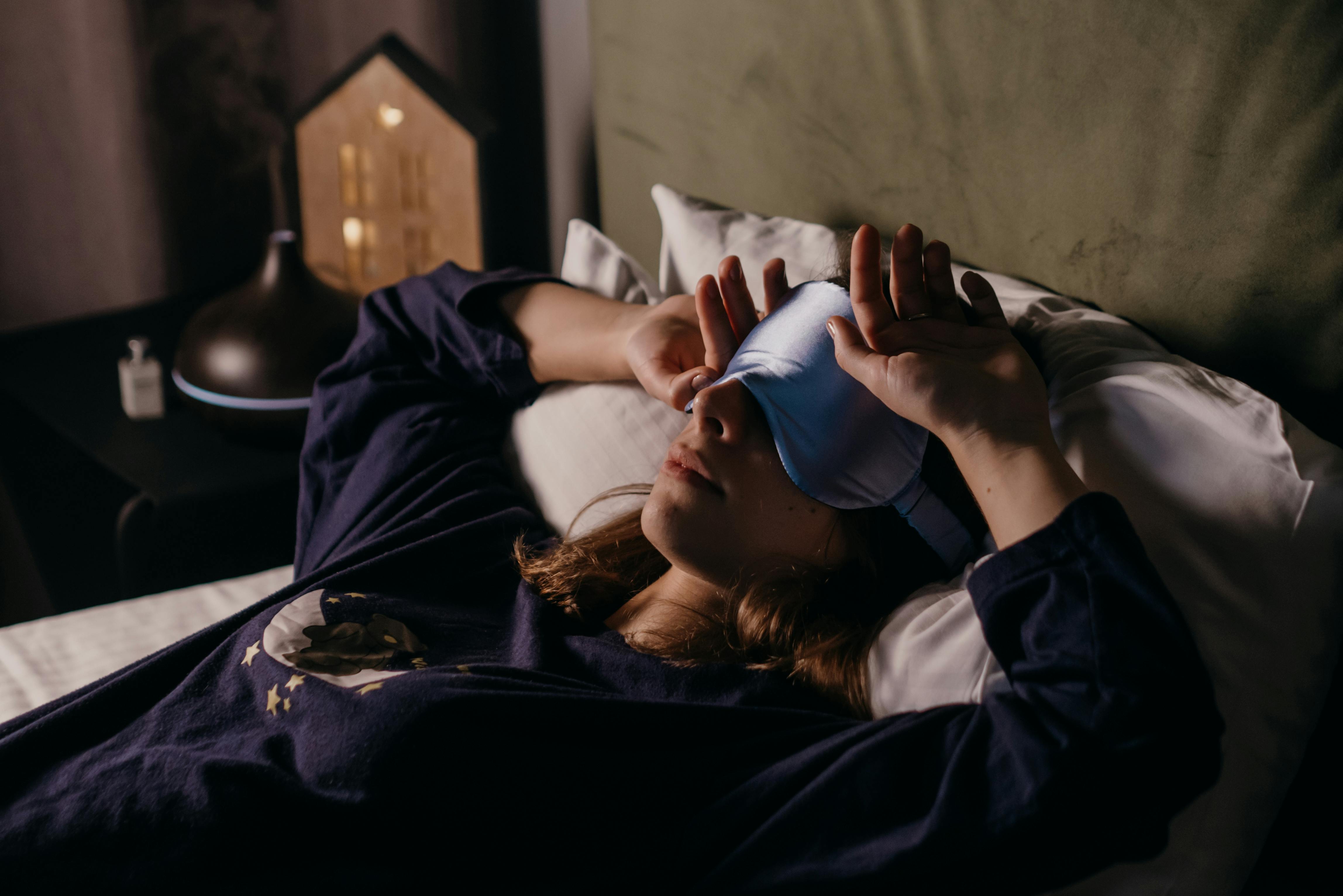
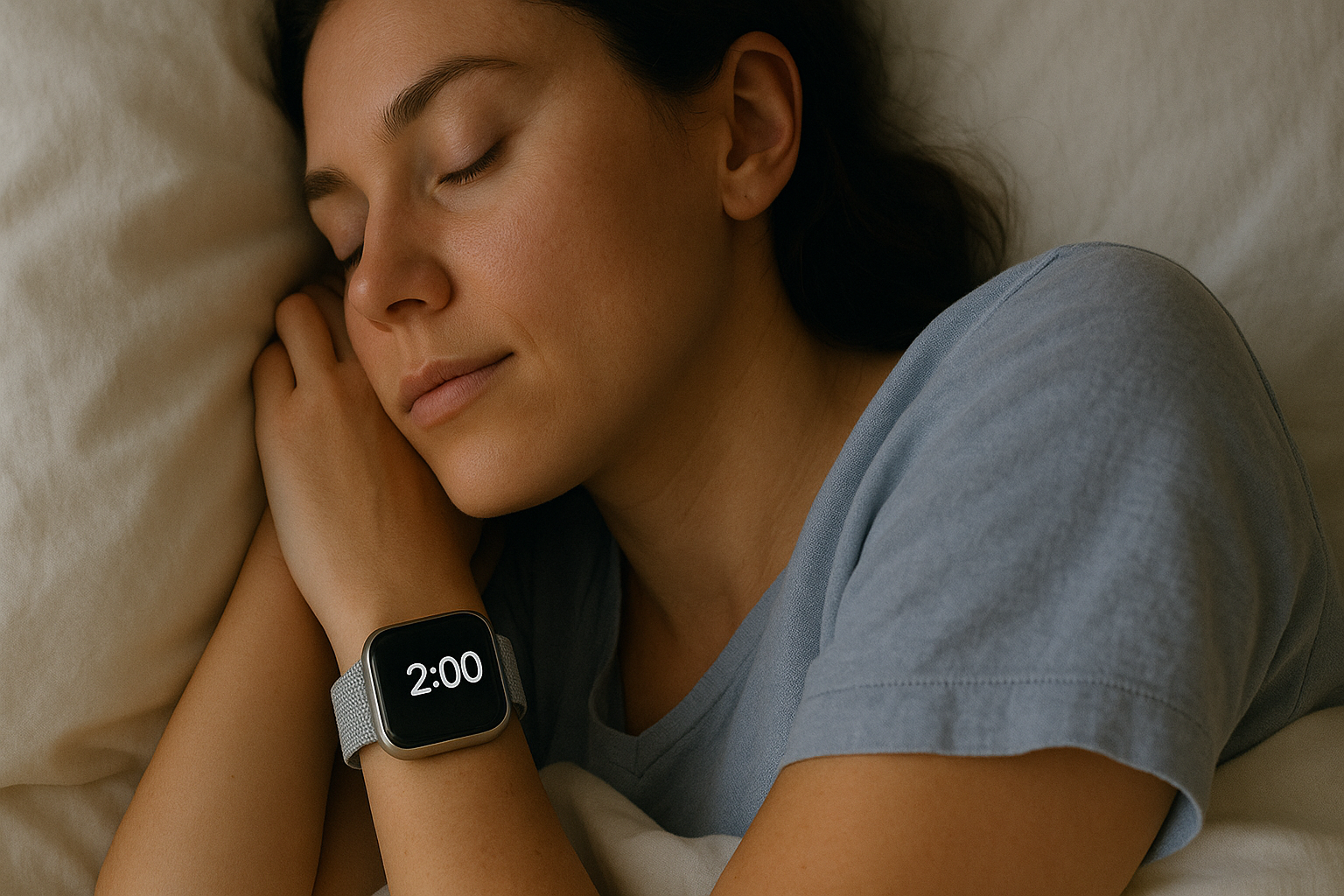
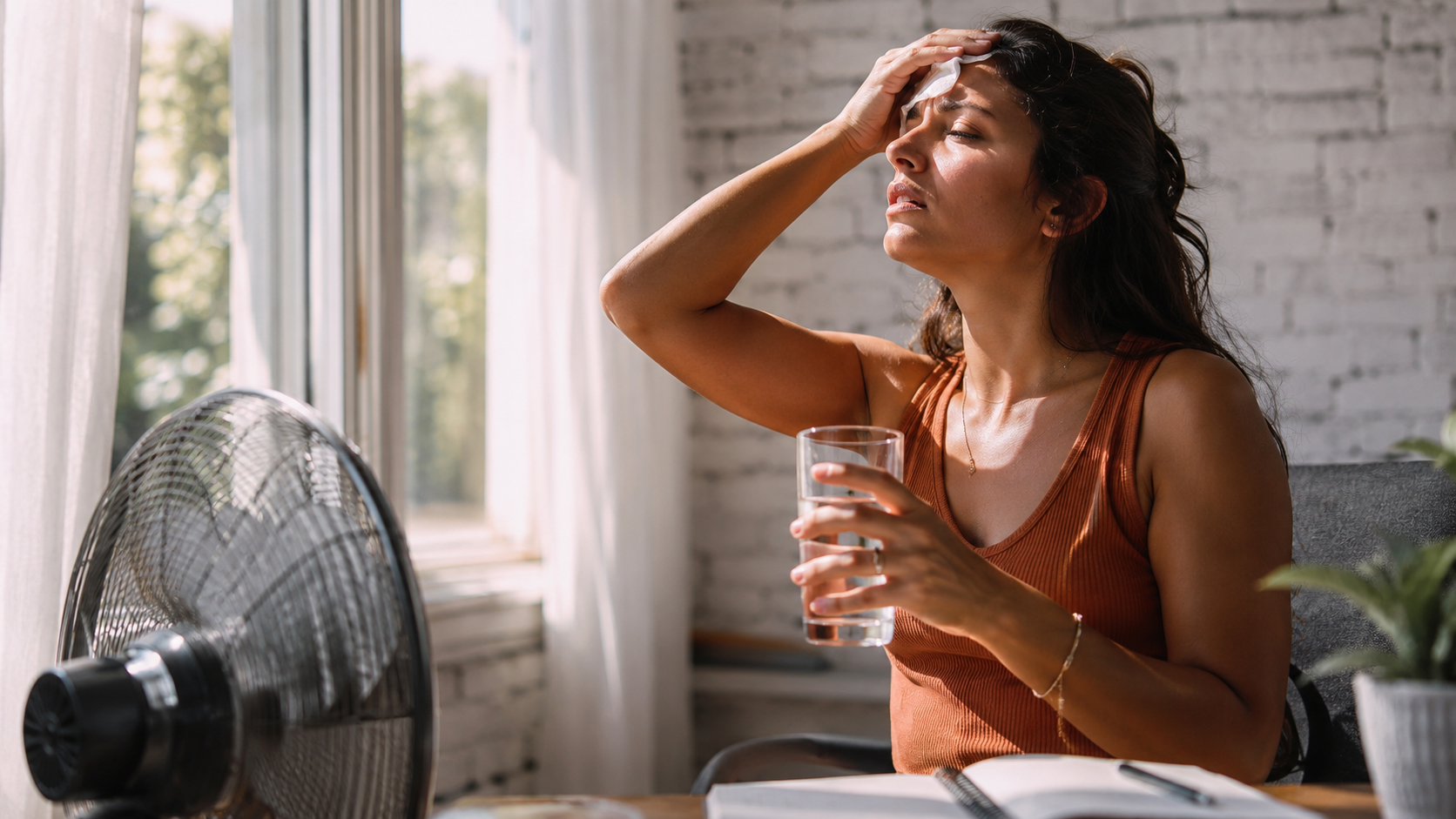
Physiologically, sleep depends on your body’s ability to cool down. As bedtime approaches, your internal body temperature naturally begins to fall. This decline signals your brain that it is time to sleep and helps initiate deep, restorative sleep. Throughout the night, your body continues to regulate its temperature to maintain healthy sleep architecture. When bedroom temperatures remain too warm, especially during heat waves, this natural cooling process becomes much more difficult.[2] Research has found that warmer nights are associated with impaired sleep measures. This includes taking longer to fall asleep, more frequent awakenings throughout the night, less deep slow-wave sleep, reduced REM sleep, and lower overall sleep quality.[2,3] These negative effects are worsened during extreme or humid heat exposure.[4]
Older adults, young children, pregnant individuals, and people with chronic medical conditions are especially vulnerable because they often have a reduced ability to regulate body temperature (elaborated in a later section).[2,5] When thinking of the environment, people without access to air conditioning may experience even greater sleep disruption during prolonged periods of extreme heat.[6] Without air conditioning in extreme conditions, these individuals are unable to cool off as easily, thus leading to disruptions in their sleep. A large-scale study analyzing approximately 165 million nights of sleep data from over 300,000 participants worldwide found that high ambient temperatures were associated with roughly 15-17 minutes of sleep loss per night.[7] High ambient temperatures were also associated with an approximately 40% increase in the possibility of short sleep (defined in the study as less than 6 hours) as well.[7] As climate change continues to increase the frequency of hot nights, sleep loss is expected to become an increasingly important public health concern.[8]
Air Pollution, Wildfires, and Extreme Weather
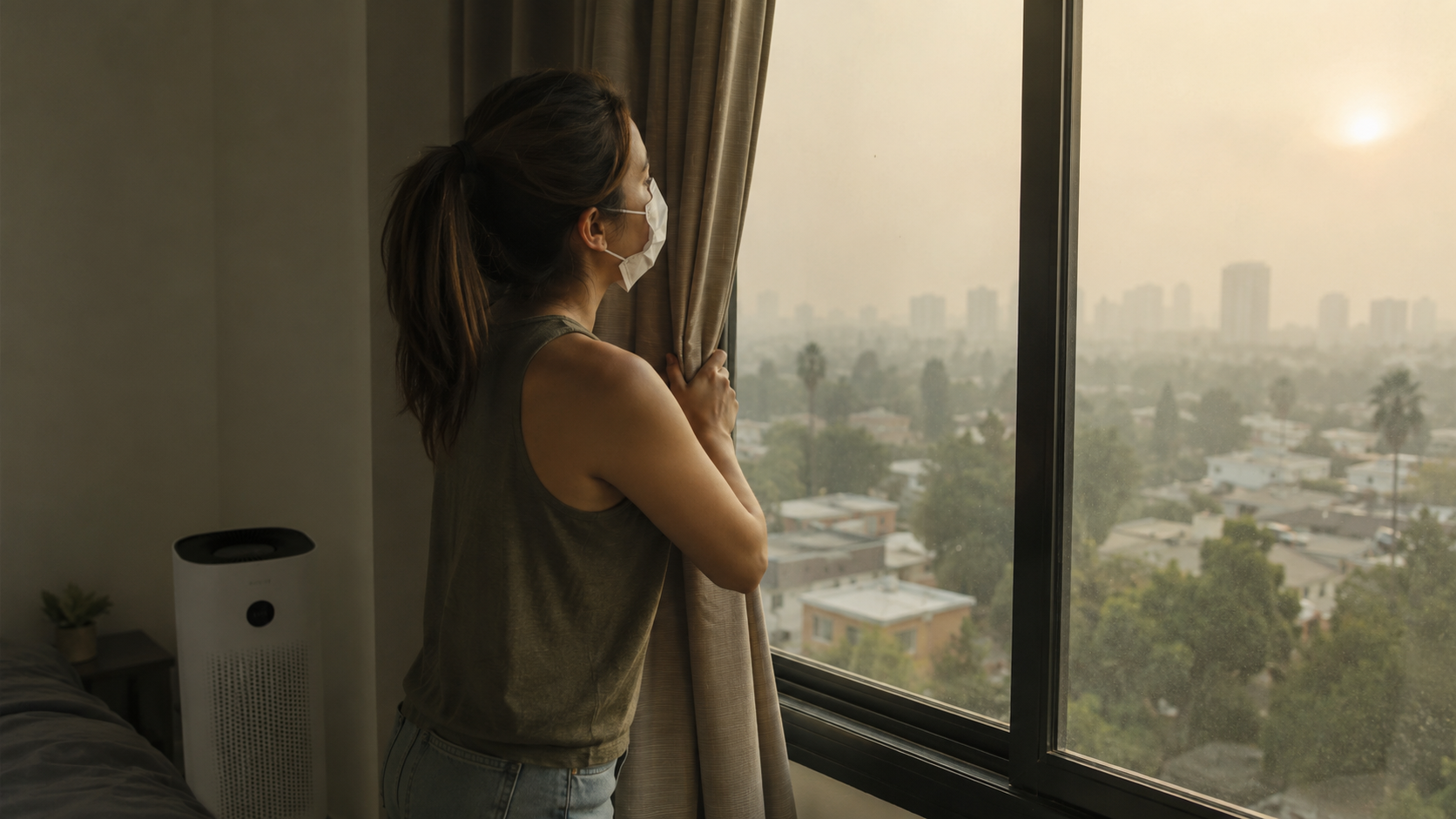
With climate change, heat is not the only environmental factor affecting sleep. Wildfires have become larger, more frequent, and longer lasting in many parts of the world. Their smoke contains microscopic particles known as PM2.5, which are tiny pollutants that are small enough to penetrate deep into the lungs and even enter the bloodstream.[9] Exposure to wildfire smoke and other forms of air pollution has been linked to numerous adverse health effects. Specific to sleep, these include increased nighttime coughing, breathing discomfort, nasal congestion, worsening asthma, chronic lung disease, more nighttime awakenings, poorer sleep quality, and increased risk of sleep-disordered breathing.[10] Air pollution may also contribute to inflammation and oxidative stress throughout the body. These processes can disrupt normal sleep regulation. Studies have found that long-term exposure to PM2.5 and other pollutants is associated with an increased risk of insomnia and obstructive sleep apnea.[11,12] Wildfire smoke can travel hundreds of miles from the source, meaning that even people living far from active fires may experience degraded air quality and poorer sleep as a result. Wildfire survivors also experience high rates of insomnia (63-73%) and nightmares (33-47%) in the months following the fires, often linked to post-traumatic stress.[10]
Beyond heat and smoke, climate change is increasing the frequency of floods, hurricanes, severe storms, and prolonged droughts. These events not only damage homes and infrastructure, but can also disrupt sleep for weeks or months.[13] Stress, anxiety, power outages, evacuation, noise, and displacement all contribute to sleep disturbances during and after extreme weather events. Poor sleep can then make it harder to cope emotionally, creating a cycle in which stress and sleep loss reinforce one another.[13] Researchers increasingly recognize healthy sleep as an important part of climate resilience. As environmental conditions become more challenging, protecting sleep may be one of the simplest ways to support both physical and mental health.[8]
Who is most Vulnerable?
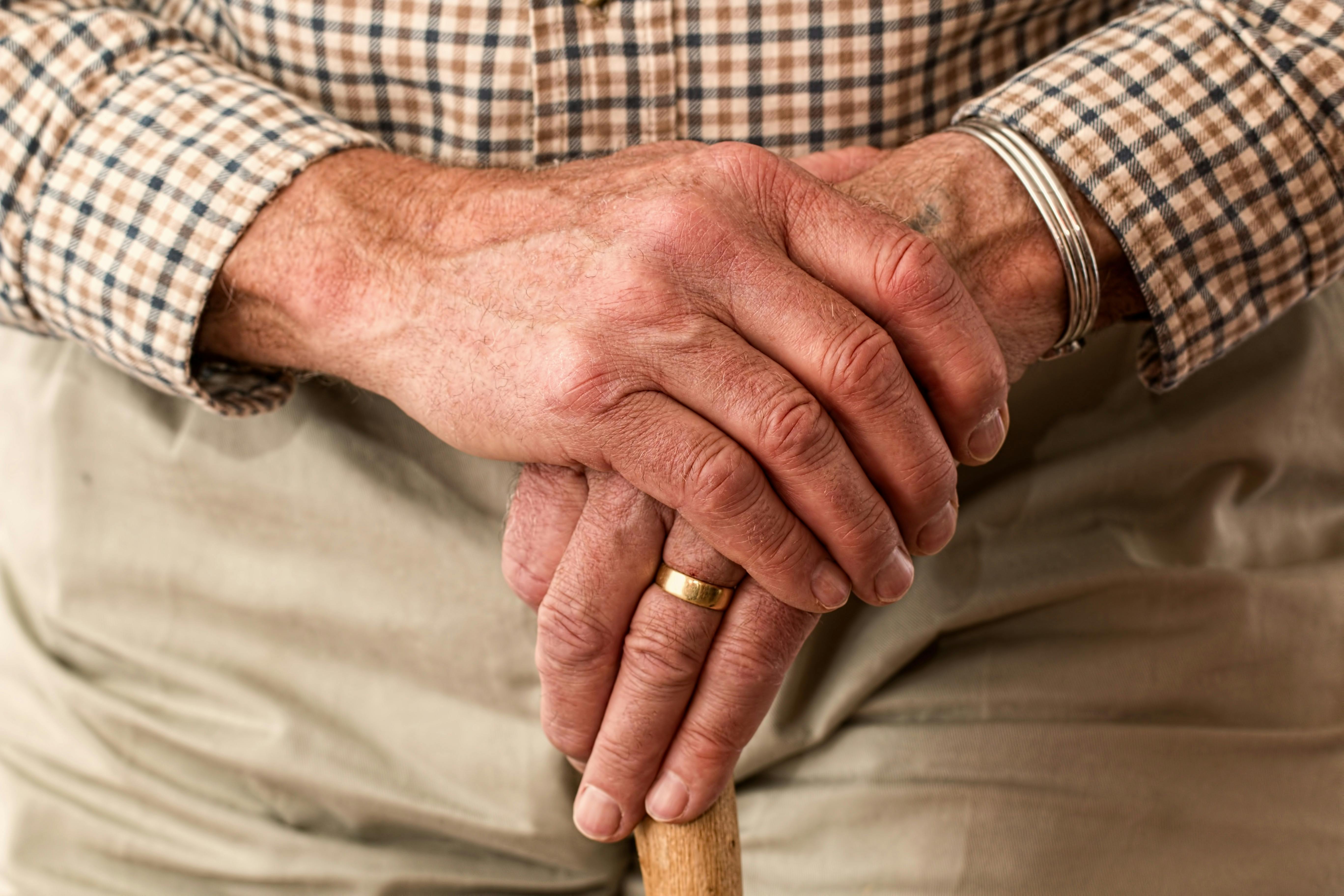
The World Health Organization has identified climate change as one of the greatest threats to human health, estimating that it could contribute to approximately 250,000 additional deaths per year between 2030 and 2050 from heat exposure, malaria, diarrheal disease, and childhood malnutrition alone.[14,15] Some may think that because climate change affects most world regions, the effects are felt equally across the globe. However, this is not the case, as some populations are more vulnerable to climate change's effects than others. For example, heat stress can exacerbate a number of underlying conditions, including cardiovascular disease, diabetes, mental health conditions, and asthma.[14] Aside from these conditions, many studies have found that older adults in general face greater impacts due to heat than younger adults. For example, researchers at the University of Southern California have found that older adults who live in areas with more hot days show signs of accelerated biological aging, with heat exposure associated with up to roughly 1 to 2.5 years of accelerated epigenetic aging depending on the duration and intensity of heat exposure.[16] Older adults are also at an increased risk because the body's ability to regulate temperature, including sweating and blood vessel responses, tends to decline with aging.[14] While these are not directly related to sleep, we know that sleep is a complex state that involves the body as a whole. If one aspect of health is dysregulated by the heat, it is highly likely that sleep too will be dysregulated. Large-scale sleep data also suggests that rising nighttime temperatures produce greater sleep loss among older adults and people living in countries with lower gross domestic product per capita, where access to air conditioning and other cooling resources may be limited.[17]
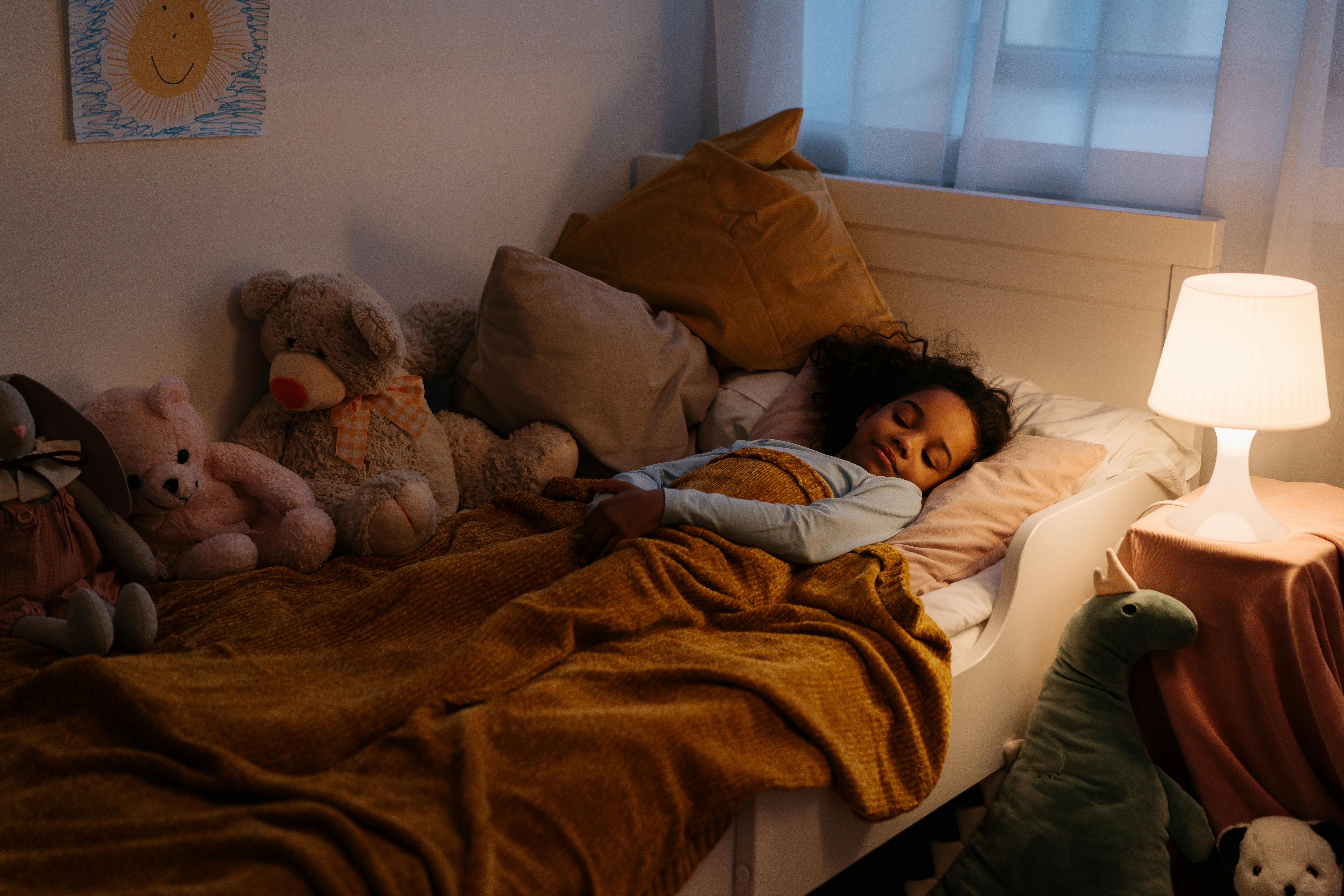
Aside from older adults, children may also be at risk because their sleep environments depend heavily on household resources, and warmer bedroom temperatures may contribute to socioeconomic differences in sleep quality.[18] Children in lower-income households may be especially affected because their families may have less access to air conditioning, adequate insulation, or other ways to maintain a comfortable bedroom temperature. Infants and young children also depend on caregivers to keep them cool and hydrated, and they may be less able to recognize or communicate symptoms of overheating.[19] Because sleep is essential for learning, emotional regulation, physical growth, and healthy development, repeated heat-related sleep disruption may have particularly severe consequences during childhood. One study that objectively monitored infants during unusually hot summer weather found that higher nighttime temperatures were associated with disrupted sleep, highlighting how extreme heat can affect sleep even early in life.[20] Research in school-aged children has also found that excessively warm or cold bedrooms are associated with shorter sleep, lower sleep efficiency, and more time awake during the night.[18]
More recent research has similarly found stronger heat-related sleep effects among people with lower socioeconomic status, chronic health conditions, and some racial and ethnic minority populations.[21] Together, these findings suggest that climate-related sleep disruption is not only an environmental issue, but also a growing health-equity concern. Further research may aim to evaluate ways in which we can tackle these health-equity concerns.
How to Protect Your Sleep
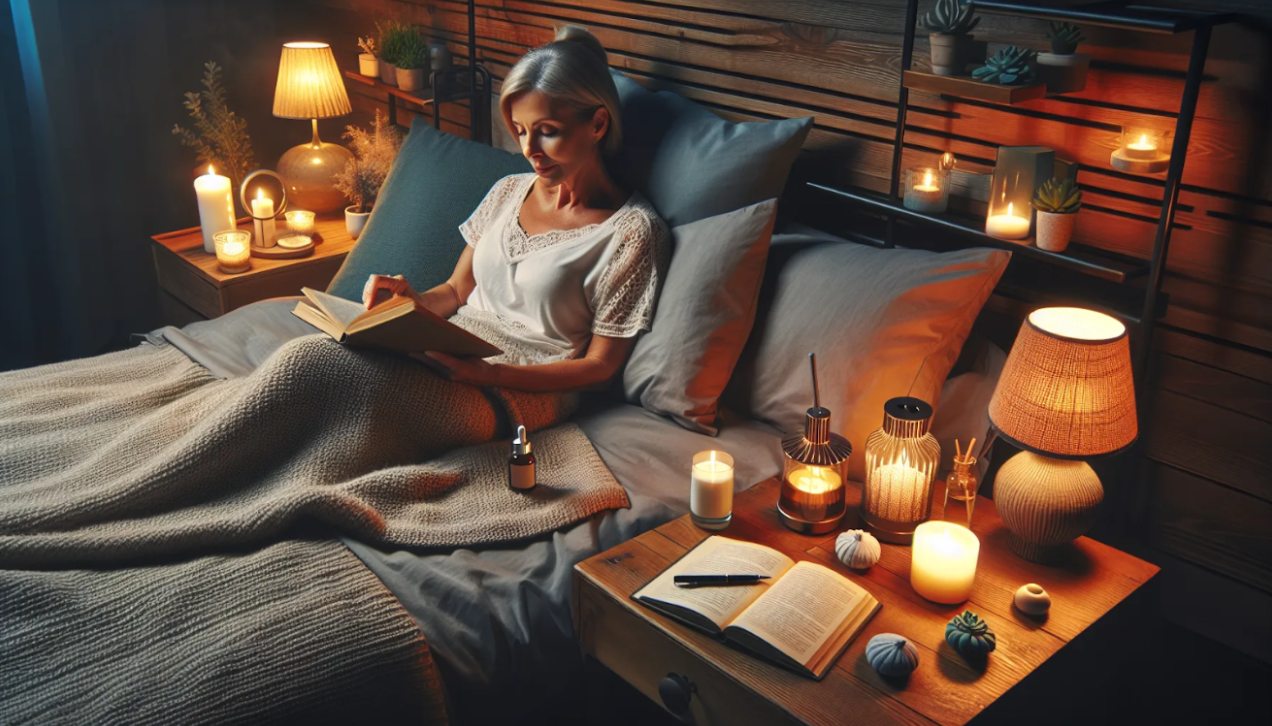
Although individuals cannot eliminate the broader effects of climate change, several practical measures may help protect sleep during extreme heat and poor-air-quality events. During hot weather, keeping blinds or curtains closed during the day can help reduce the amount of heat transferring into one's room.[14] Additionally, using lightweight and breathable bedding (and clothing), taking a cool shower before bed, and ventilating the bedroom at night when the air is cooler and safe to breathe can provide nighttime comfort.[14] While fans may provide relief, their effectiveness depends on both temperature and humidity. The Centers for Disease Control and Prevention (CDC) advises caution with fan use when indoor temperatures exceed 90°F (32°C).[21] However, research suggests that in humid conditions, fans can still be beneficial at temperatures well above this threshold, up to approximately 99-102°F (37-39°C) for most adults, because they help sweat evaporate.[22] In very hot, dry conditions, fans may actually increase body temperature and should not be relied upon. When fans are insufficient, an air conditioner or access to a community cooling center may be necessary. Staying hydrated is also important, but drinking a large amount of water right before bed can cause nighttime awakenings to use the restroom.
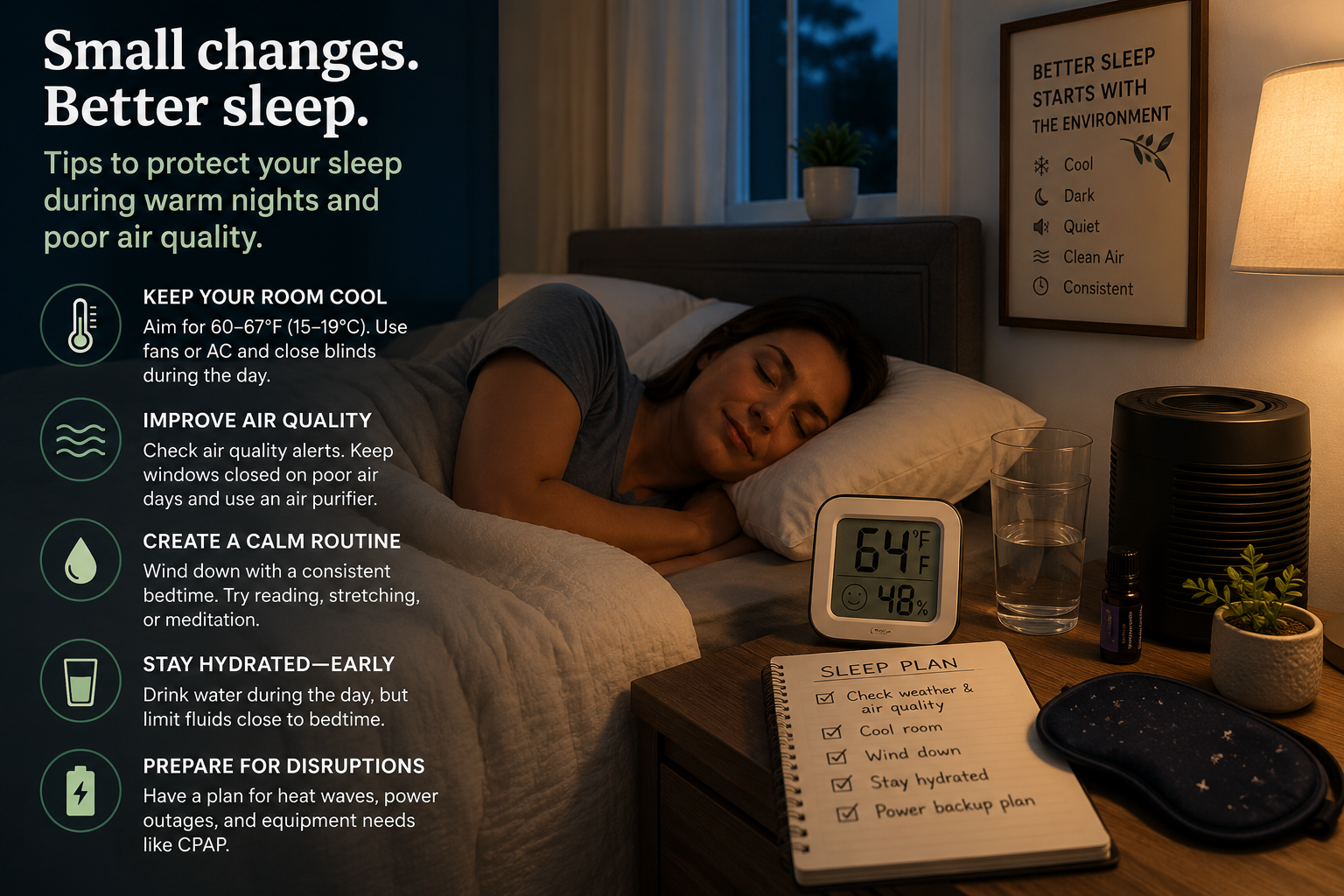
During a wildfire or heavy smoke event when the air quality is poor, it may become difficult to breathe. It is important to keep windows and doors closed and air conditioners set to recirculate to prevent smoke from entering the room. If possible, using a portable air cleaner with a HEPA filter can help provide a more breathable and safer sleeping space.[23] During these times, it is important to check local heat and air-quality alerts, such as the Air Quality Index (AQI), to help guide decisions on when it is safe to open windows and begin going outside again more regularly, or if it is best to find a safer temporary environment. Individuals who use a CPAP machine or other electrically powered medical equipment should have a plan in place should the power go out or an evacuation occur.
Conclusion
In today’s world, adverse weather conditions are becoming more and more prevalent. While these issues need to be addressed at a larger level, it is important to have a plan in place at the individual level so that one can be prepared if their sleeping environment becomes uncomfortable. This all begins by first understanding the impact that rising temperatures have on sleep. More recently, this has become a topic of interest, especially given the recent fires impacting air quality in the Midwest and Eastern parts of the United States. If you are curious to learn more about the ways in which sleep is impacted by rising temperatures, we encourage you to dive deeper into the literature! As these issues become more apparent, new research will continue to be released exploring these issues. And if you are worried about how the weather may be impacting your own sleep, we encourage you to reach out to a sleep medicine professional. The team at Empower Sleep is always ready to help!


.png)
.png)