Reviewed by Sahil Chopra, MD.
Research by Savit Malhotra
Introduction
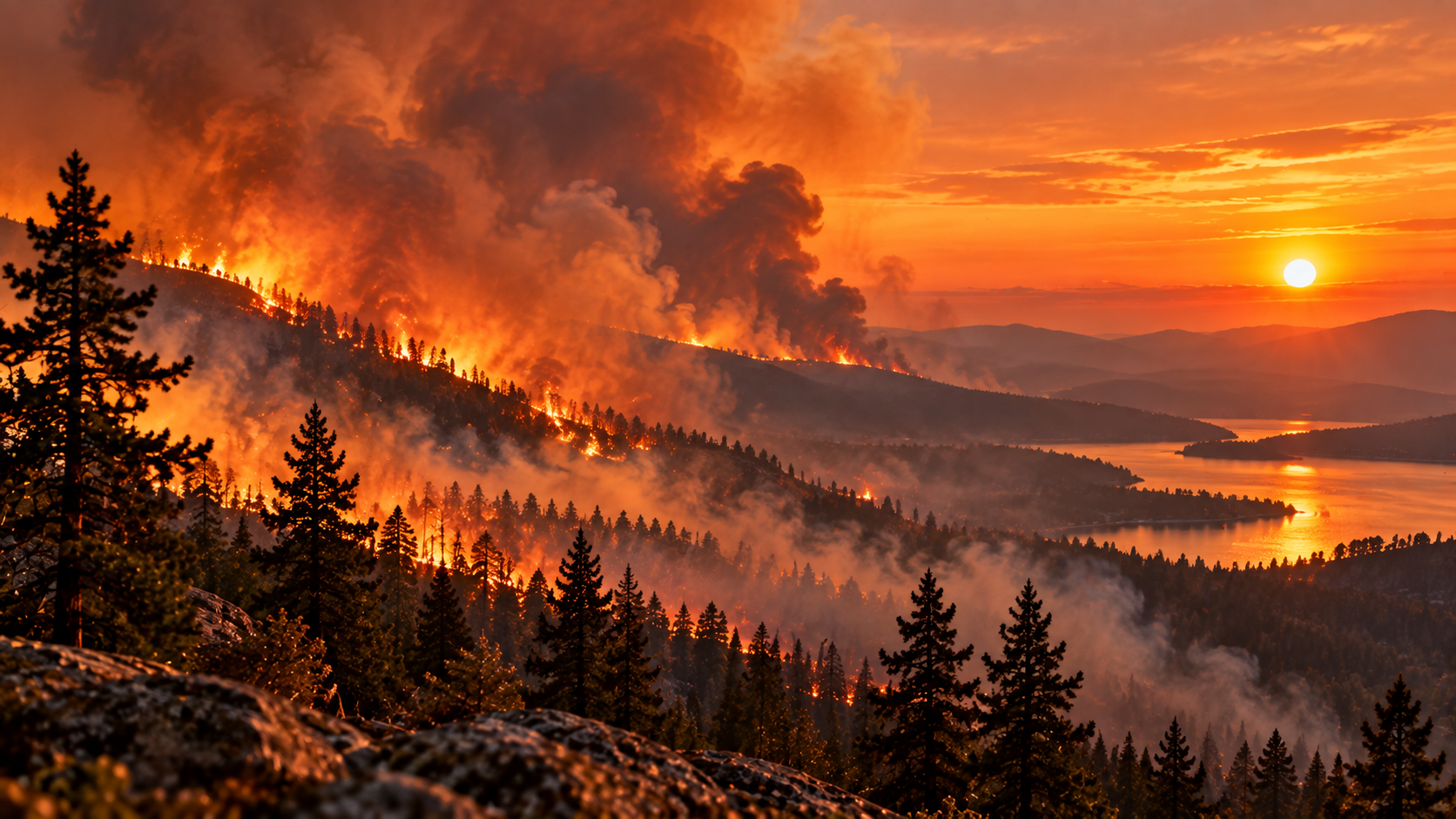
Extreme weather does not stop affecting us when the sun goes down. Heat waves can leave bedrooms too warm for comfortable sleep, severe storms can bring noise and power outages, and floods or hurricanes may force families out of their homes altogether. Even after the immediate danger has passed, stress, uncertainty, property damage, and displacement can continue interfering with sleep for weeks, months, or sometimes much longer.[1,2,3,4,5]
The relationship between extreme weather and sleep therefore goes beyond one environmental exposure. Some effects are physical: excessive heat can interfere with the body's normal nighttime cooling process, while a power outage may eliminate air conditioning or electrically powered medical equipment. Others are psychological: fear, loss, disrupted routines, and post-traumatic stress can make it difficult to relax enough to sleep.[5,6,7,8,9,10] Understanding both sides helps explain why sleep can become one of the quieter casualties of extreme weather.
Heat Waves, Hot Nights, and Power Outages
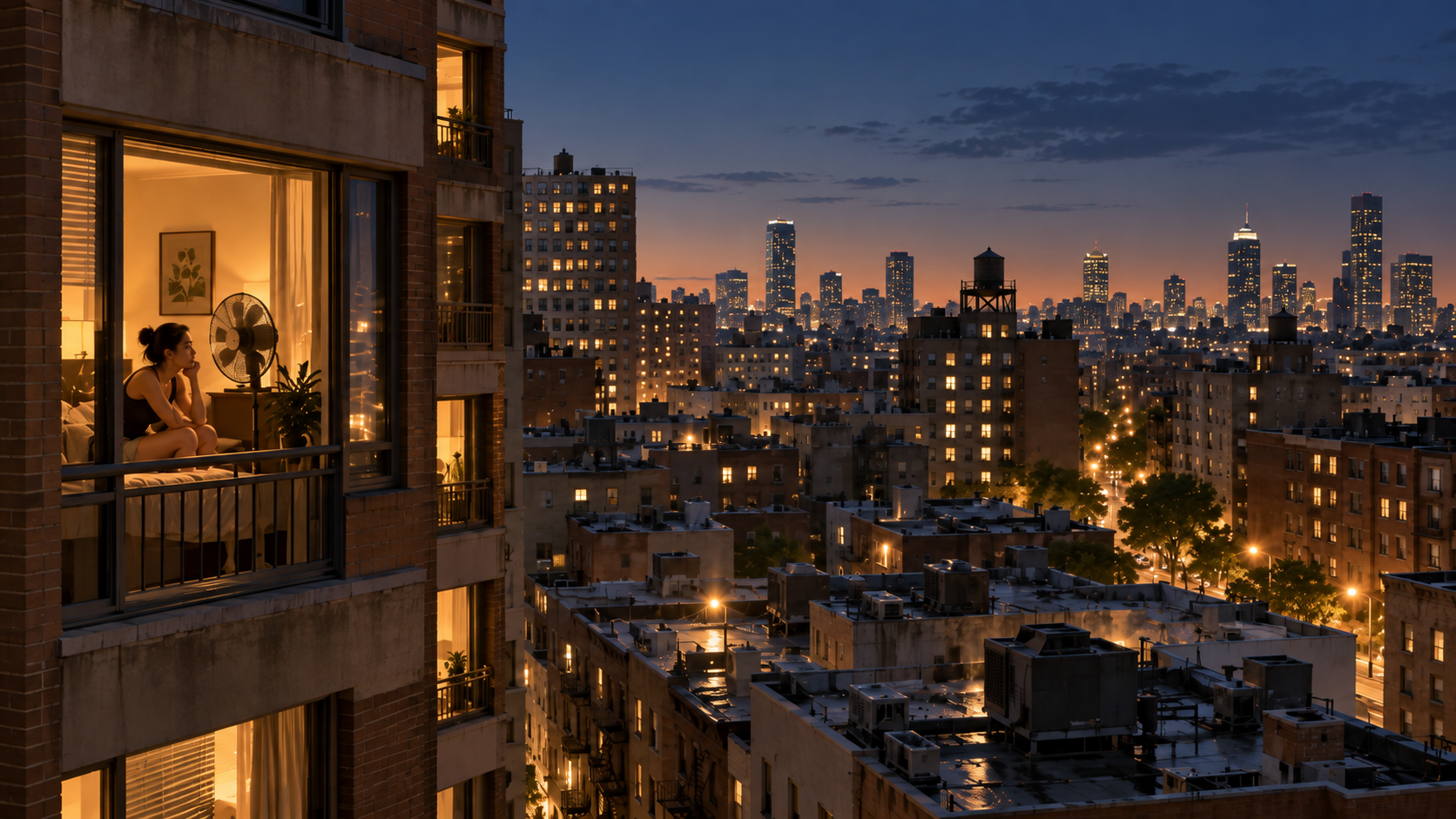
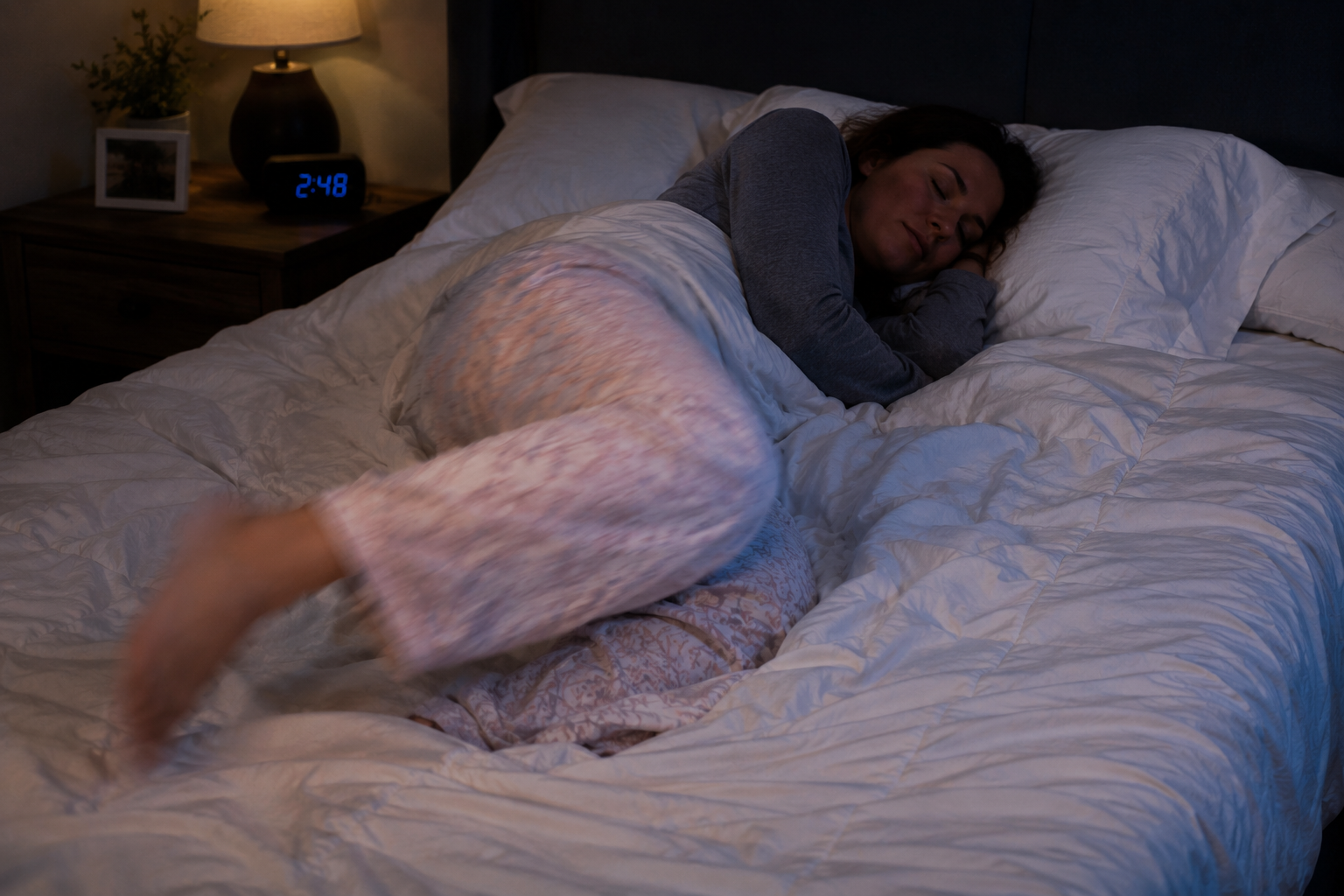
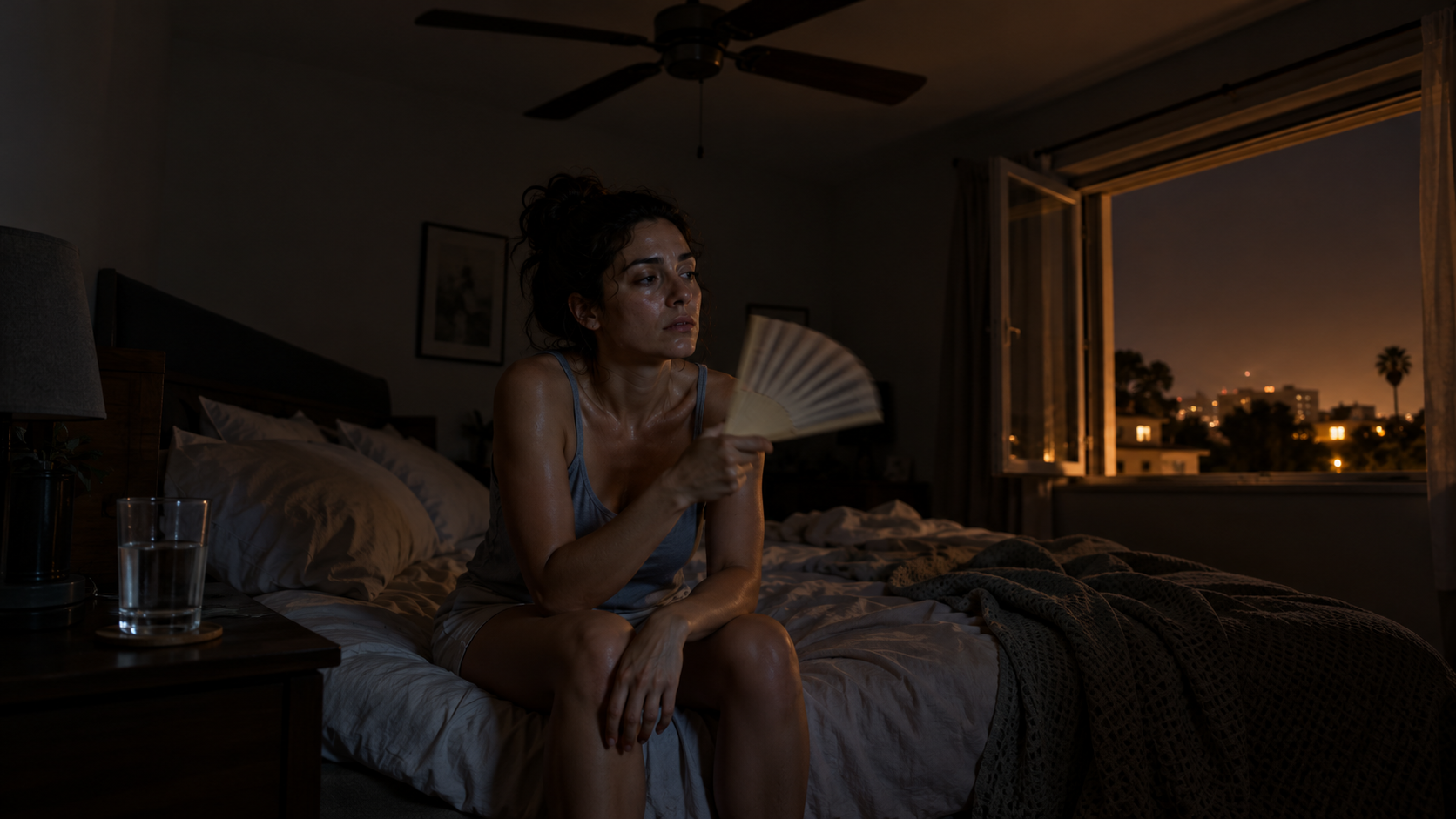
Of all extreme-weather exposures, the relationship between heat and sleep is among the best studied. Falling asleep normally coincides with a reduction in core body temperature, and excessive nighttime heat can make it more difficult for the body to release heat efficiently. Reviews of controlled and real-world studies have found that higher nighttime temperatures are associated with shorter sleep, lower sleep efficiency, more awakenings, and changes in sleep architecture.[1]
A global study involving more than 7 million sleep records from nearly 48,000 people across 68 countries found that hotter nighttime temperatures shortened sleep primarily by delaying when people fell asleep. On nights above 30°C, participants slept about 14 minutes less than during temperatures associated with the least sleep loss. Older adults, women, and people in lower-income countries experienced larger effects.[2] Earlier U.S. research similarly linked unusually warm nighttime temperatures with more reports of insufficient sleep.[3] More recently, data from more than 12.5 million nights recorded in the U.S. All of Us Research Program found that heat was associated not only with shorter sleep, but also with changes in sleep efficiency, wakefulness after sleep onset, and sleep stages.[4]
Extreme weather can make this problem worse when it knocks out electricity. A summer storm or hurricane that causes a prolonged outage may simultaneously remove air conditioning, fans, refrigeration, lighting, and access to electrically powered health equipment. Someone who normally sleeps comfortably at 72°F may suddenly find the bedroom remaining hot well into the night. For people who depend on devices such as CPAP or BiPAP, an outage can also interrupt treatment unless an appropriate backup-power plan is available. The effect of the weather event is therefore not only the storm outside, but it can also fundamentally change the environment inside the bedroom.
Storms, Flooding, and Evacuation
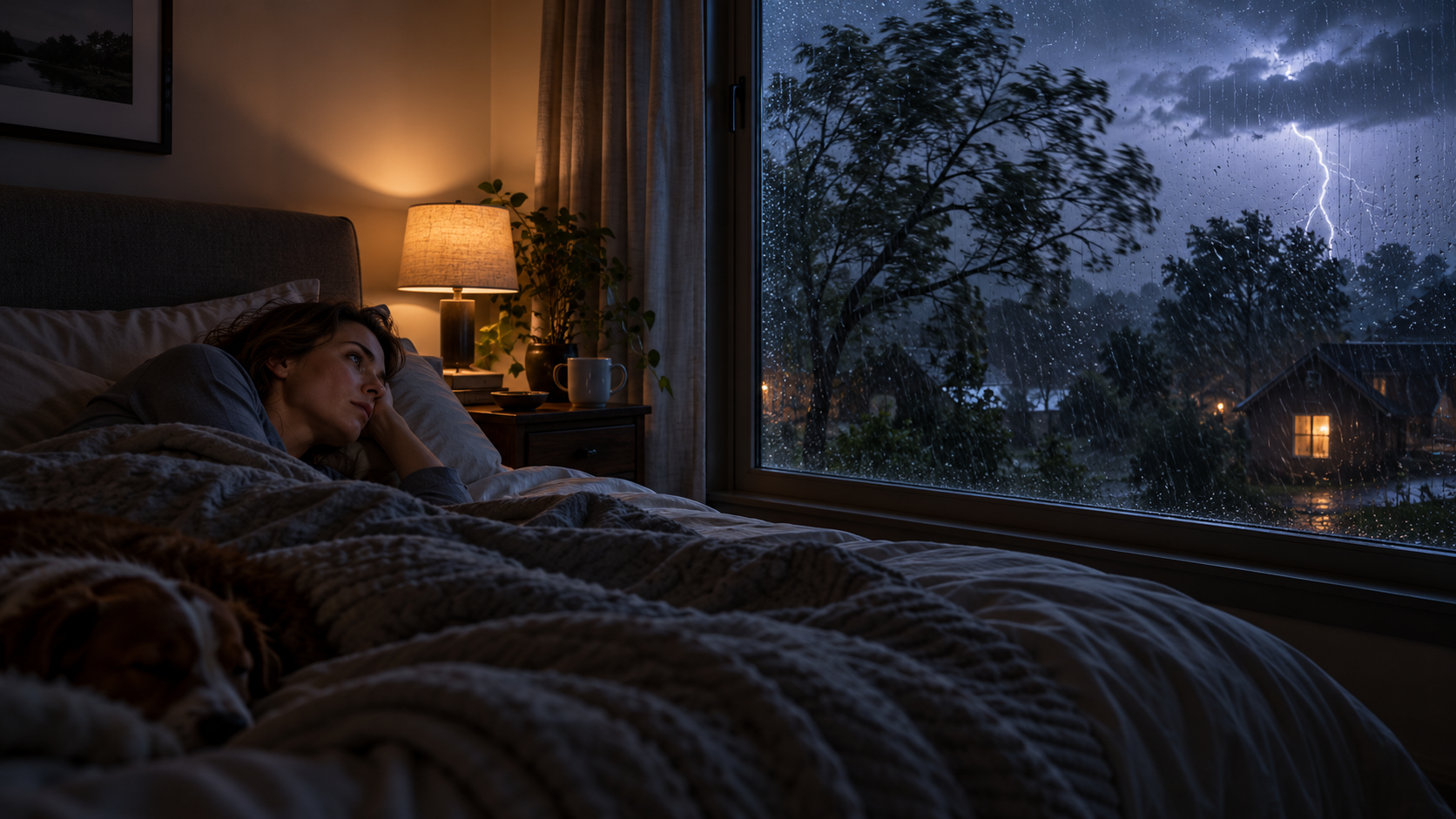
Severe storms introduce a different set of sleep disruptors. Thunder, wind, emergency alerts, rain, and concern about rapidly changing conditions can make sleep difficult during the event itself. Flooding and hurricanes may also damage homes, disrupt utilities, or force people to evacuate to hotels, shelters, relatives' homes, or temporary housing. Once that happens, familiar sleep cues (your own bed, usual bedtime, room temperature, darkness, privacy, and quiet) may disappear at the same time.[9,10,11,12,13]
Evidence from disaster-affected populations shows how common sleep problems can become. After the 2011 Great East Japan Earthquake and tsunami, researchers analyzed more than 10,000 disaster medical records from Minamisanriku. Sleep disturbance was common among people seeking medical care, particularly among those with other mental-health concerns, older adults, and people living in evacuation centers.[5] Research following the 2008 Wenchuan earthquake in China found that sleep problems persisted among adolescents for years after the disaster. Twelve months afterward, nearly half reported sleeping fewer than seven hours, and roughly 29-30% continued meeting criteria for overall sleep problems at later follow-ups.[6]
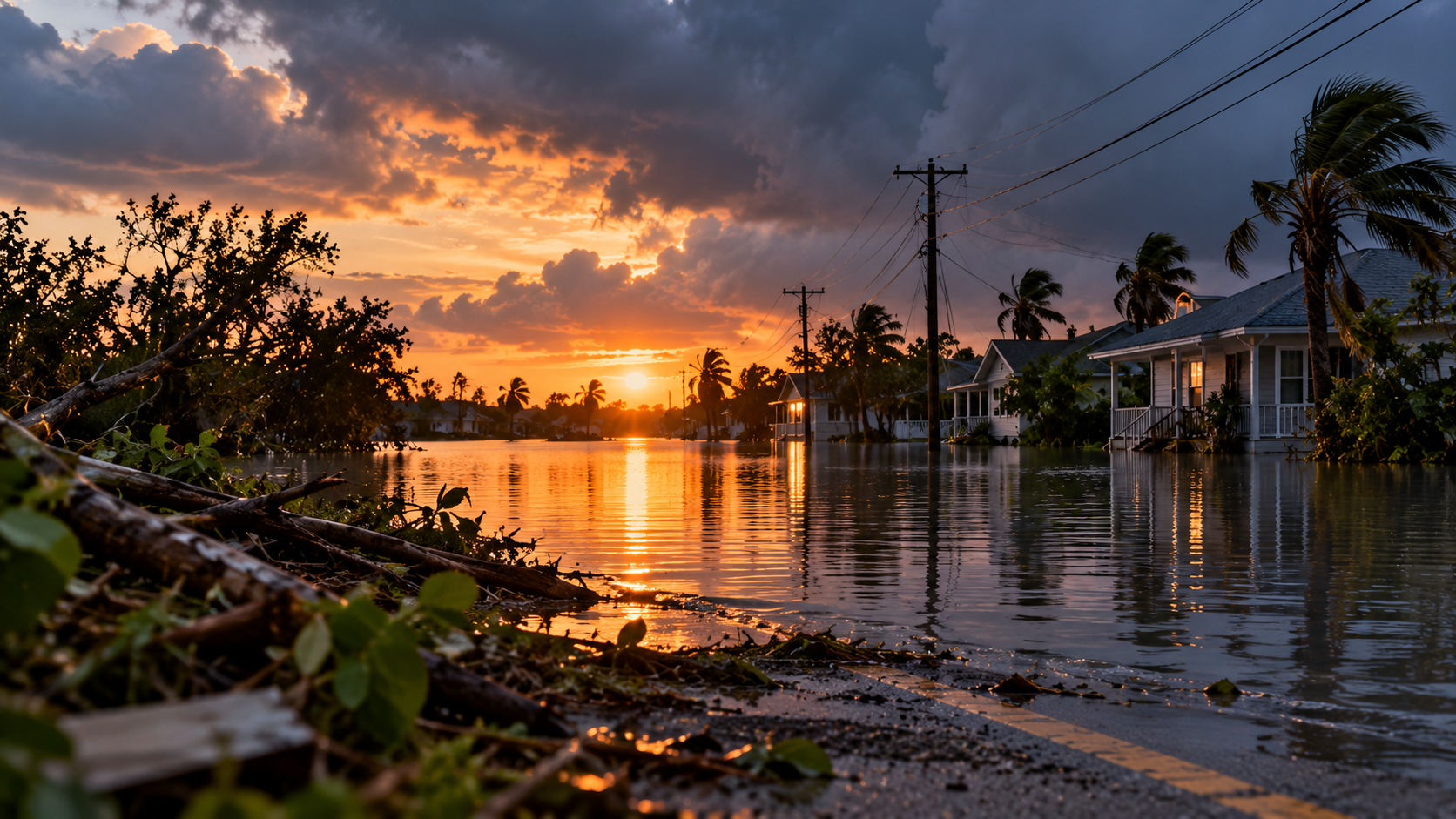
Flooding and displacement appear especially important because the disruption can extend long after the water recedes. Reviews of flood-related mental health research have documented lasting anxiety, depression, and post-traumatic stress among affected populations.[10] Research following flooding in the United Kingdom found that evacuation and displacement were associated with worse mental-health outcomes compared with remaining at home, even after accounting for flood exposure.[11] Following Hurricane Katrina, exposure to hurricane-related stressors was similarly associated with significant psychological illness, with housing loss and other disruptions contributing to the burden.[12]
When the Weather Passes but the Brain Stays Alert
For some people, the most persistent sleep problem begins after the immediate emergency.
Extreme-weather events can involve fear for one's safety, loss of possessions, financial strain, uncertainty about repairs, disrupted work or school, and concern for family members. These experiences can contribute to anxiety, depression, and post-traumatic stress, all of which frequently overlap with sleep disturbance.[8,10,12,13,14] Someone may be physically safe in bed but remain mentally alert to every sound of rain, wind, or an emergency notification.
Sleep and psychological distress can also reinforce one another. In adolescents exposed to the Wenchuan earthquake, sleep disturbance 12 months after the event predicted greater risk of PTSD and depressive symptoms one year later, even after researchers accounted for earlier mental-health symptoms and disaster exposure.[7] Another longitudinal study found that post-disaster sleep problems could remain elevated for years.[6] This does not mean poor sleep alone causes PTSD, but it suggests sleep may be part of the recovery process rather than merely a side effect of trauma.
The effects can last surprisingly long. Nine years after the Great East Japan Earthquake and tsunami, disaster-related home loss remained associated with greater post-traumatic stress symptoms and increased daytime sleepiness among older survivors.[8] Other disaster cohorts have found that housing instability and psychological distress can remain intertwined years after the original event.[9] These findings help explain why restoring electricity and repairing roads does not necessarily mean the health effects of a disaster are over.
Who May Be Most Vulnerable?
Extreme weather does not affect everyone's sleep equally. Older adults may have more difficulty regulating body temperature and may also rely on medications or powered medical equipment that complicate heat waves and outages.[1,2] Children and adolescents can experience persistent sleep disturbances after disasters, particularly when they have witnessed frightening events, lost social support, or developed anxiety or post-traumatic symptoms.[6,7,15]
Resources matter as well. Access to air conditioning, backup electricity, safe housing, transportation, insurance, and alternative places to stay can determine whether an extreme-weather event means one uncomfortable night or weeks of disrupted sleep. In the U.S. wearable study, heat-related sleep loss was greater among people with lower socioeconomic status and certain chronic health conditions.[4] Research on climate-related disasters similarly shows that displacement, financial loss, inadequate housing, and limited social support are associated with worse psychological outcomes.[10,11,12,13,14]
People with existing sleep or health conditions may face additional challenges. A person using CPAP cannot treat obstructive sleep apnea normally if electricity is unavailable and no backup option has been arranged. Someone with asthma may sleep poorly after flooding leads to dampness or mold. A person already managing insomnia or anxiety may be more sensitive to disruption in routines and surroundings. Extreme weather often does not create a single new problem; it layers new stressors on top of existing ones.
Protecting Sleep Before, During, and After Extreme Weather
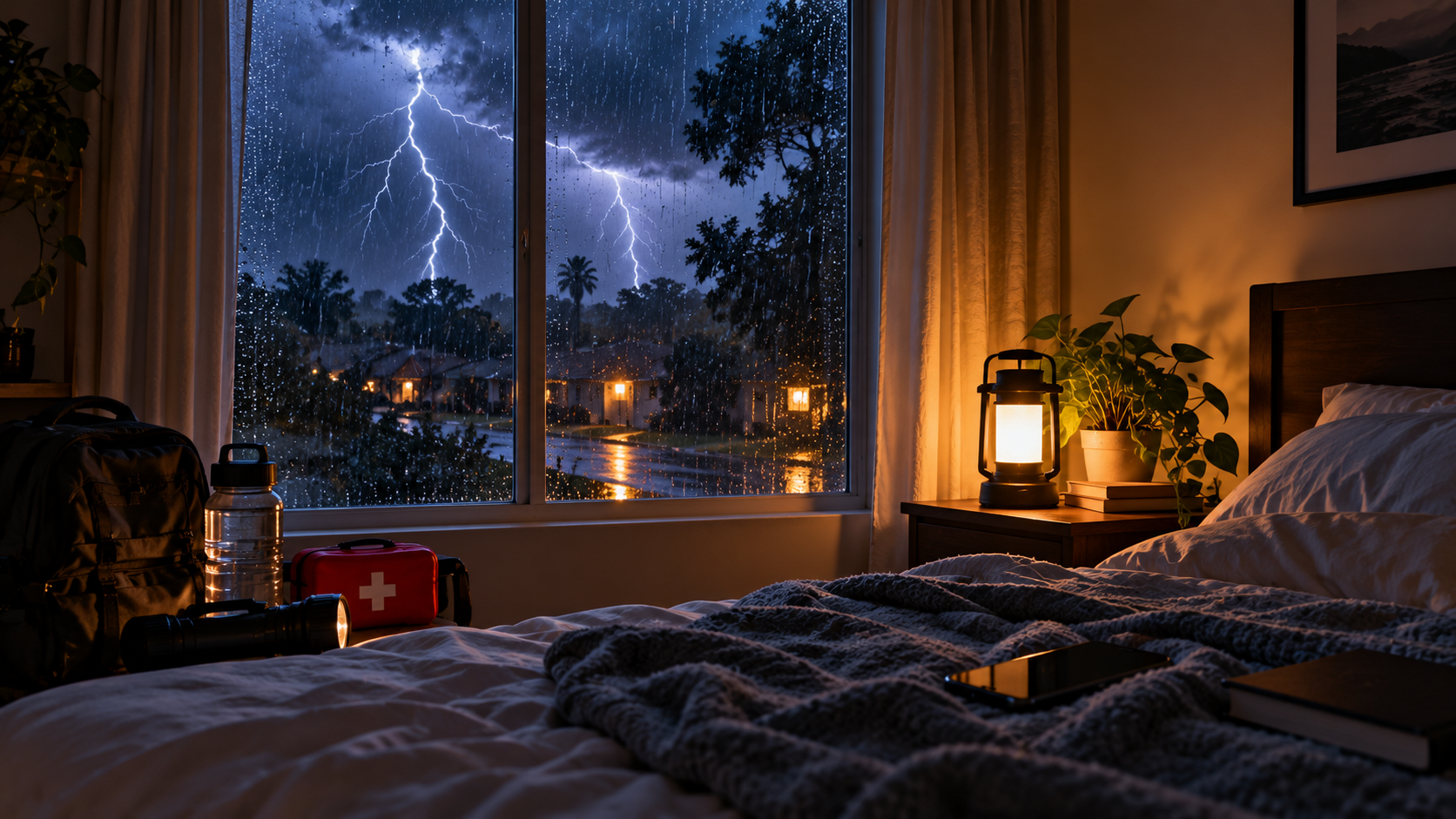
Because extreme weather can disrupt so many parts of the sleep environment at once, preparation matters. Before an event, think beyond flashlights and bottled water and consider what you specifically need to sleep safely. If you rely on CPAP, oxygen, refrigeration for medication, or another powered device, discuss backup-power options with the equipment provider or healthcare team before an outage occurs. Battery systems should be compatible with the specific device rather than assumed to work simply because they provide electricity.
During heat waves, keeping the sleeping area safely cool becomes a priority. Curtains or shades can reduce daytime heat gain, while air conditioning or another safe cooling location may be necessary during severe heat. If an outage makes the home dangerously hot, relocating to a cooling center, hotel, family member's home, or another air-conditioned location may be safer than attempting to sleep through extreme indoor temperatures. Fuel-powered generators can provide backup electricity, but they must be operated outdoors and safely away from the home because carbon monoxide from improper generator use can be fatal.[16,17,18]
After storms, floods, or evacuation, returning to a familiar sleep routine can help re-establish some predictability: regular wake and sleep times, a dark and reasonably quiet environment, and limiting constant monitoring of disaster coverage when immediate alerts are no longer necessary. Temporary sleep disruption after a frightening event can be expected, but persistent insomnia, recurrent nightmares, severe daytime sleepiness, or symptoms of PTSD deserve attention. Research in disaster survivors suggests that sleep problems and psychological distress can influence one another over time, making sleep an important part of recovery rather than an afterthought.[6,7,8,9]
Conclusion
Extreme weather can disrupt sleep in several different ways at once. Heat waves interfere with normal nighttime cooling. Storms and outages change the bedroom environment. Floods and hurricanes may force people from their homes. And the fear, uncertainty, and losses surrounding a disaster can keep the nervous system alert long after the weather has passed.[1-14] The effect may last one night for some people and months or years for others. Much depends on the severity of the event, housing conditions, access to cooling and electricity, existing health problems, displacement, and psychological stress.
That makes sleep worth considering as part of emergency preparedness. A disaster plan should not only answer where we will go and what we will eat. It should also consider how we will stay cool, power essential medical equipment, and create a safe place to rest. When weather turns extreme, protecting sleep may seem like a secondary concern. But sleep supports attention, emotional regulation, physical recovery, and our ability to make good decisions, the very things we may need most when conditions outside become unpredictable.